When is the best time to visit Peru? Is that what you typed in to your web browser the minute you started considering Peru for a vacation. That’s sure what we did. However, as much as we may love a good AI summary telling us exactly when to visit a county, an ideal answer for us balances a mid-level tourist load, comfortable weather and decent hotel discounts. However, you’re not going to get that in Peru. There is no single best time to visit Peru. But keep reading and we can still help you decide when to visit Peru based on the destinations you plan to visit.
Stuff In This Post
TogglePeruvian Climate Regions
But first, let’s start with a little Peruvian geography lesson.
First, Peru is in the southern hemisphere. This means their seasons are opposite of those in the U.S. and Europe. So December-February is “summer” or the rainy season when temperatures are generally warmer.
Next, Peru has a variety of climates – one of our guides claimed they had 30 world recognized climates and nearly 100 micro-climates. In fact, we even went to one area where you could walk between 6 different micro-climates in a mater of minutes. But for the purposes of picking the best time to visit Peru, we’ll talk about three different climate regions: The Pacific Coastal Region, The Andes Mountains and the Amazon Rainforest.
The Pacific Coastal Region
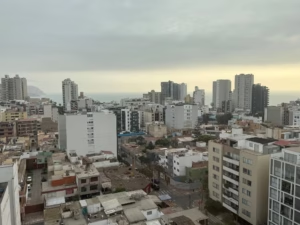
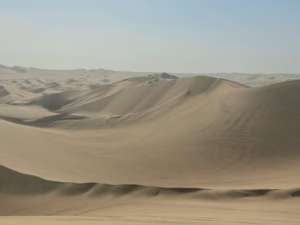
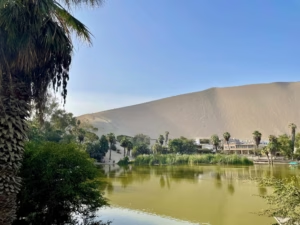
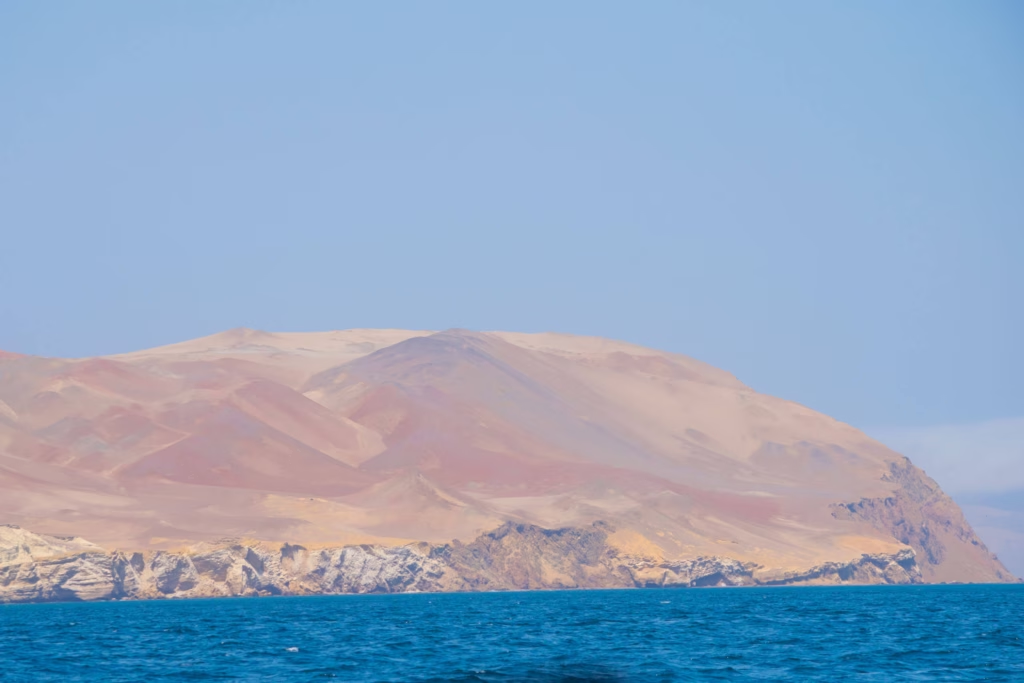
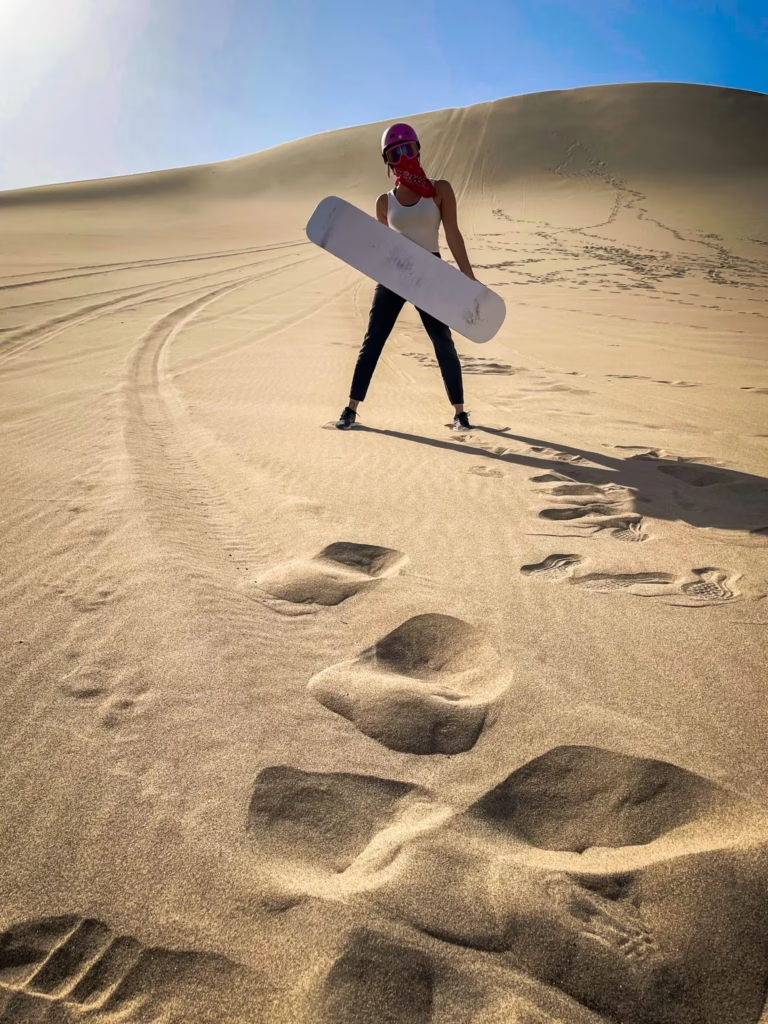
The Pacific Coastal Region runs all along the Pacific coast in Peru – go figure. This region is characterized by sandy deserts and mild year-round temperatures. In this region, fog is a constant companion and humidity is high. However, there is minimal rain. The temperatures are mild in the day, unlike most deserts, as the Pacific Ocean keeps the temperatures cool. Lima, the Ballestas Islands and Huacachina are popular destinations that fall into this climate region.
The Andes Mountains
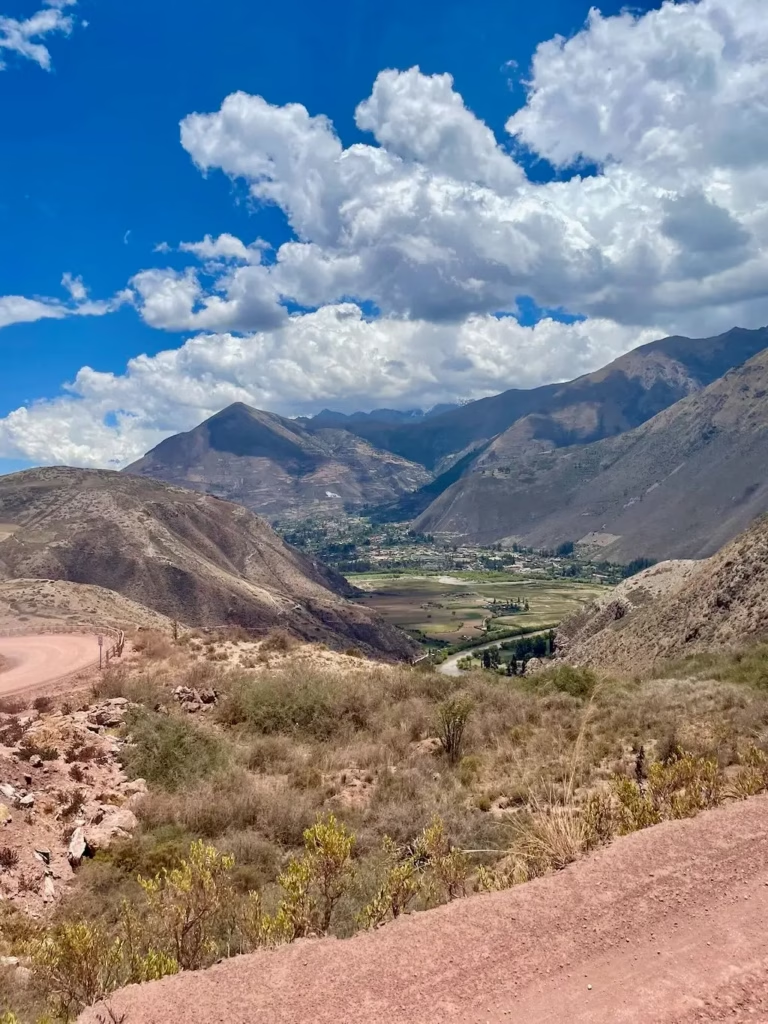
Next, the Andes Mountains is the region most Peruvian visitors spend a majority of time in. This region includes Machu Picchu, Colca Canyon, Cusco, The Sacred Valley, Lake Titicaca and Arequipa. This region is primarily characterized by the high elevation. This high elevation leads to cool, sometimes cold, temperatures that vary widely throughout the day depending on sun levels. However, with the elevation, the sun is powerful, making heat and sunburn big factors as well.
Also, there are a heap of microclimates in the mountains. The one recommendation we have for visiting this area is LAYERS! We hiked some days with temperatures varying by 55 ºF. Most Andean regions are also impacted by the rainy season with increased rainfall from November-April.
The Amazon Rainforest
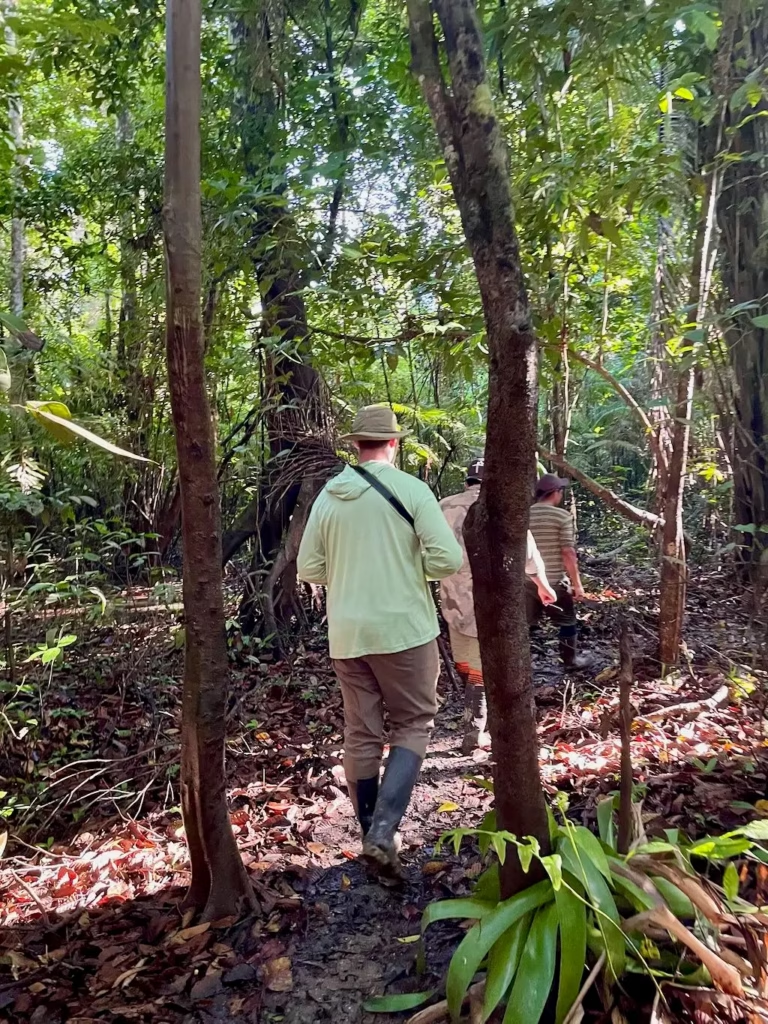
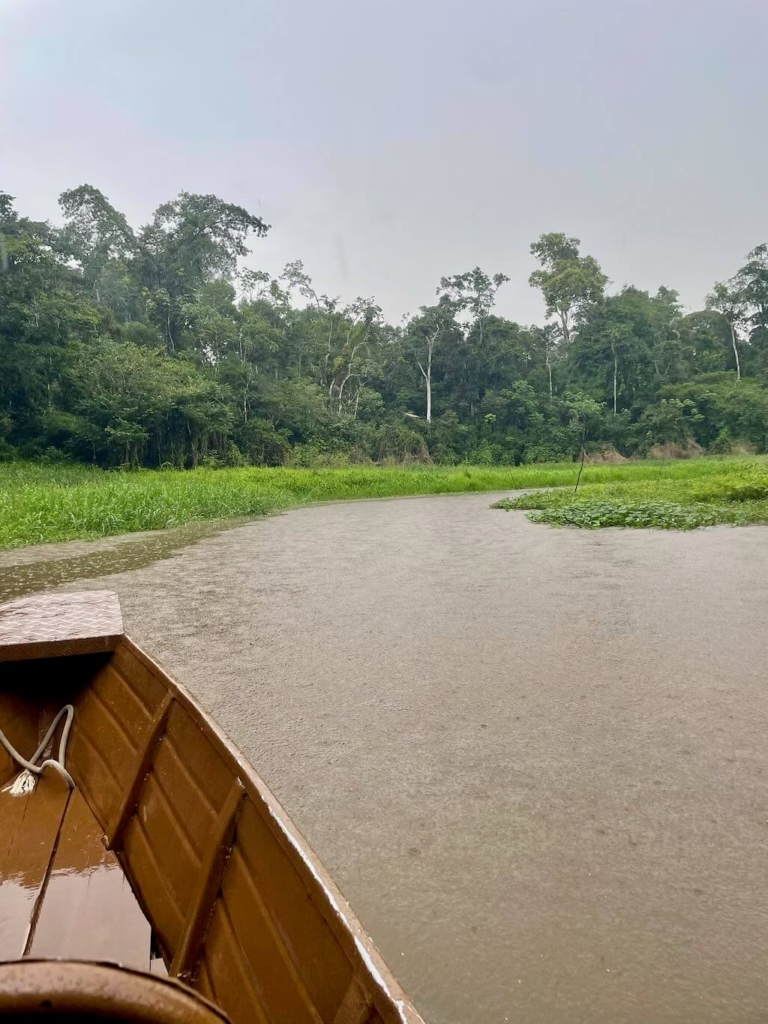
Lastly, the Amazon Rainforest makes up a majority of the country. This area has pretty consistent temperatures year round. The temperatures are routinely hot and rain pops up pretty much daily. While it does rain almost every day in this region, more water falls during the rainy season, November-April, leading to higher water levels. Puerto Maldonado, Manu National Park and Iquitos all fall within this region.
When Is The Rainy Season In Peru?
The rainy season is Peru spans from November-April. This is generally considered the “worst” time to visit Peru as hotter temperatures throughout the country and frequent rain showers in the lowland areas may hamper travel plans. Because of these frequent showers, this is the off season for travel. During this time of year, you can find discounted hotel and some discounted tour prices. However, you may also find that some businesses shut their doors completely, especially in small towns or less popular tourist destinations.
When Is The Best Time To Visit Machu Picchu and the Inca Trail?
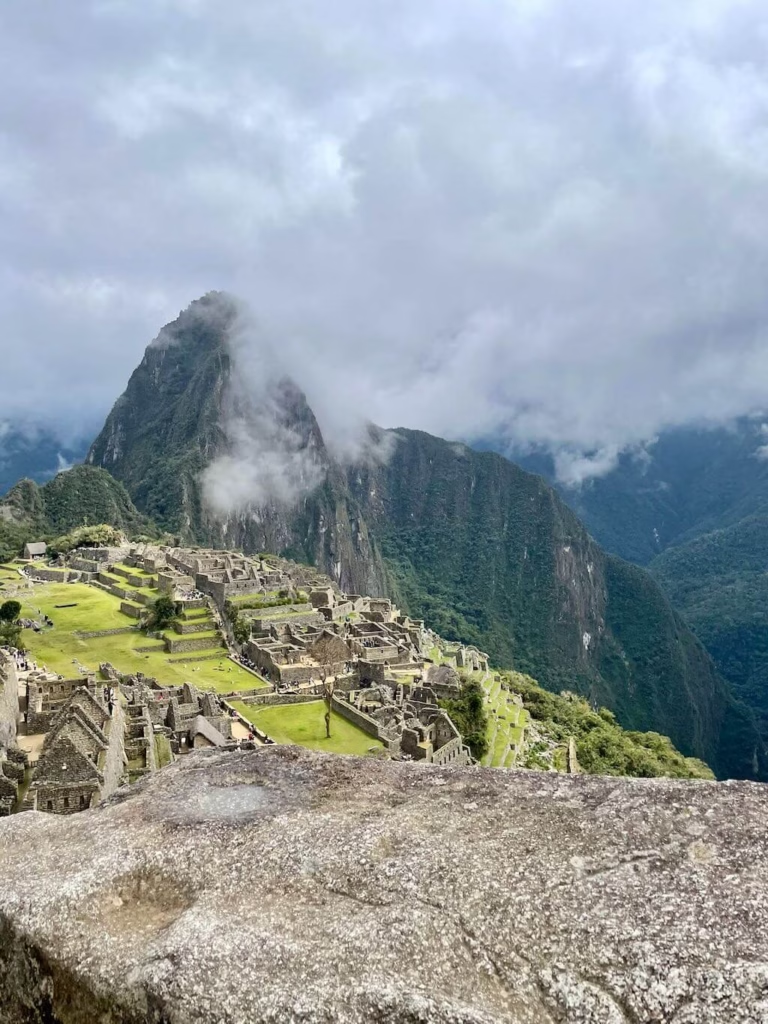
The best time to visit Machu Picchu is in May. The tourist season is just starting, rain is slowing and temperatures are dropping.
June-September also has optimal hiking conditions but higher concentrations of visitors. Temperatures during this time of year are in the high 60s (in Fahrenheit) and rainy days are minimal. June and July see the highest number of visitors to the area. If you plan on visiting during this time of year, start planning your trip 6-9 months in advance to be sure to secure the required hiking guides.
In April or October, you get less tourists and you may have wonderful days. You also could get miserably hot hiking weather or frequent downpours. However, we visited in October. The first day, we had 70 °F sunny weather. It was too hot for hiking in the sun but perfect weather for hiking in the shade. The next day, it rained for a majority of the day. We actually thought it was really neat to see the city in both the sun and the moody clouds.
If you want to do any hiking at all on the Inca trail, either the four-day or the one-day segment, do not visit in January or February. Because of frequent rainfalls, the trail often closes by February, sometimes earlier. The trail does not open up again until it has dried out and repairs have been made – usually by March. November-December also has a heap of rainy days and wouldn’t be the best for hiking.
The same recommendations are also true of Colca Canyon which are located in the Southern Andes.
When Is The Best Time To Visit Lima?
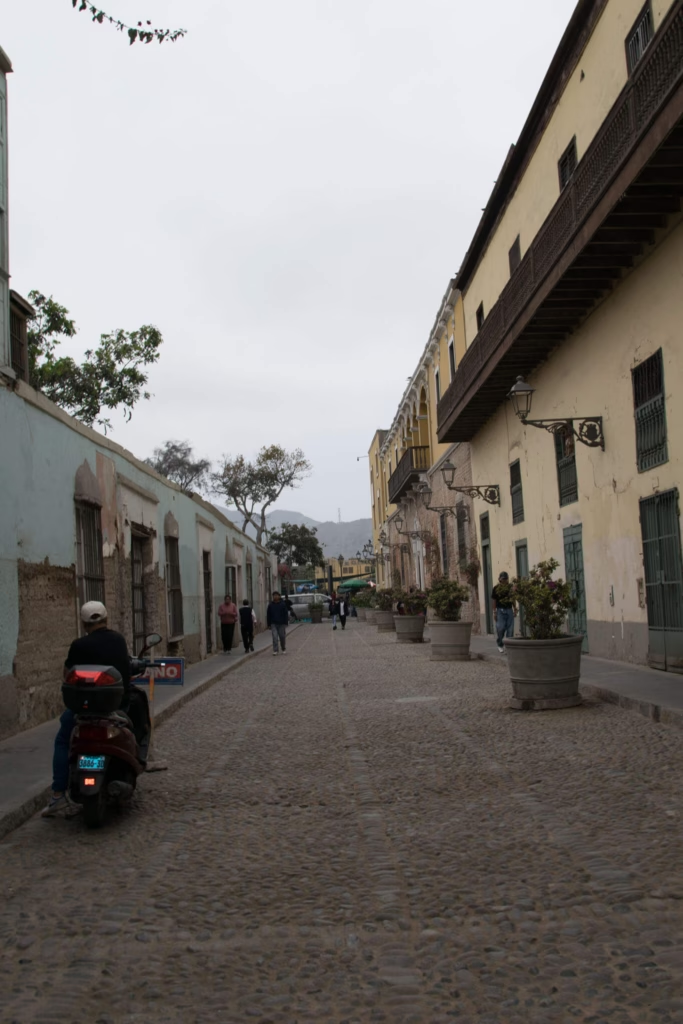
January-February is the best time to visit Lima. You’ll avoid local holiday travelers, who visit in December and early January. Plus, you’ll get the elusive sun that only rarely shines in Lima. Also, this time of year means great weather to take day trips from Lima to beaches and nearby oceanfront destinations like the Ballestas Islands.
When Is The Best Time To Visit The Peruvian Rainforest?
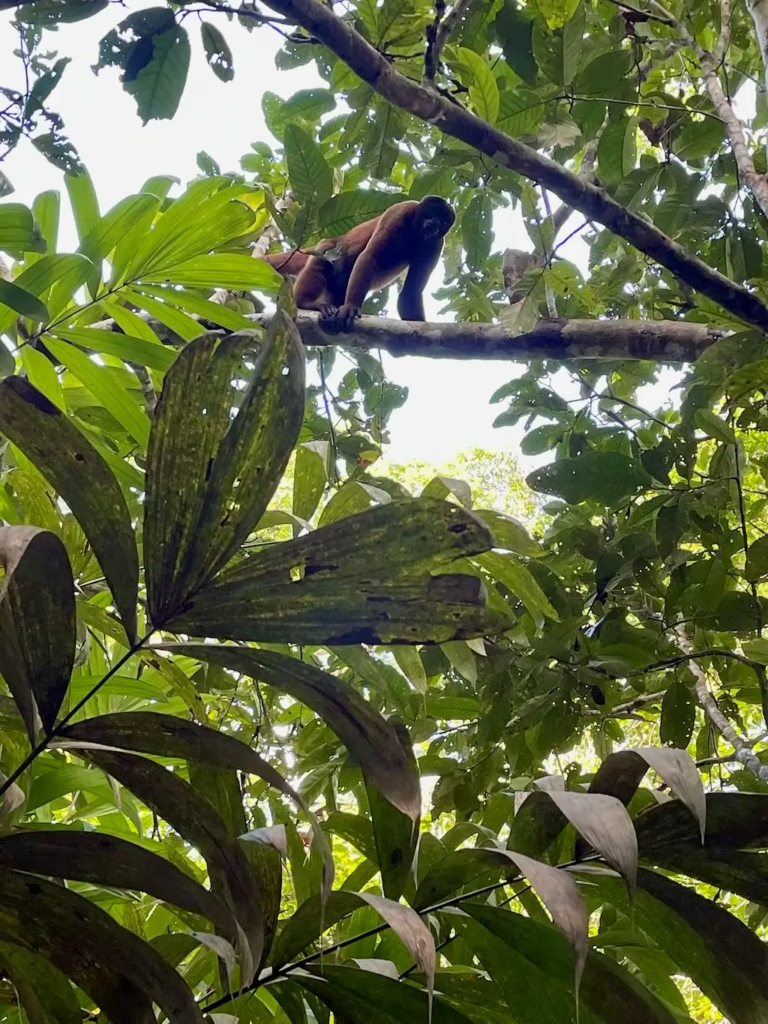
Peru’s shoulder tourist season seems to be the best time to visit the Amazon Rainforest in Peru. May-June is the end of the rainy season. This is considered a good time to visit the rainforest for the elusive jaguars. Our guides said they typically see jaguars twice each year, typically in May or June when the banks start to recede and the jaguars emerge from the forests to drink at riverbanks. However, if you’re trying really hard to see a jaguar, keep in mind that the pros who spend every day nature spotting with us tourists, typically see two each year – chances are, you will see 0 jaguars.
September-October is a great time of year for nature spotting from the human perspective. During the rainy season, most animals move to the trees to feed on fruiting plants and avoid the water below. Many consider animals more populous during this time of year. However, you may not get the best views as animals are intertwined with the green forest.
From September-October the rainforest is at its driest. This means you’ll be able to walk around on the ground and you may even spot animals on the ground. The river banks are also massive at this point, as the river is down. This means you have a better chance spotting animals who are getting a drink. Overall, this is the time we recommend for first time rainforest visitors. This also will result in less heartbreak as there are certain types of rain that you just can’t go out in without being miserable – and there isn’t much to do in the rainforest when you aren’t out exploring nature.

When Is The Cheapest Time To Visit Peru?
Prices for Peru travel remain consistent throughout the high season and the shoulder season. So while traveling during the shoulder season (April-May, Sept-Oct) will get your fewer crowds, it won’t save you a ton of money. However, if you’re willing to travel during the off-season, January-March, you will save money on accommodations.
Overall, we found Peru to have a wide range of prices available to choose from in terms of food and accommodations. So if you are trying to save money on your trip to Peru, we recommend booking lower-end accommodations and eating cheaper food rather than traveling during the off season and risking being wet and cranky during your trip.
When Is The Best Time To Visit Peru?
So now that you’ve read the entire article and you still want to know when the best time to visit Peru is. Because you want to see it all! You want Machu Picchu and the rainforest and the dunes of Huacachina and the capital of Lima and the hiking in Cola Canyon. We get it – we want it all too.
So our recommendation for the best overall time of year to visit Peru is May or October for mild weather and mid-level tourist numbers. How did we come to this conclusion?
When looking at our top two destinations in the country, Machu Picchu and the Amazon rainforest, we wanted good time to visit both. However, after looking into Machu Picchu, we realized that Machu Picchu tourism is heavily regulated. Tourist numbers are limited by day. So once we were no longer worried that the site would be overrun by Instatourists we were able to eliminate November-March as non-hikable months. This left April-October. Next, we looked at the rainforest. We wanted to visit at a turning point in terms of rain to maximize our animal spotting. In May, at the end of the rainy season, and in October, at the beginning of the rainy season, we felt like we would have the best animal spotting. In the end, we chose October and we were very happy with our weather throughout the entire trip!
We hope this very long breakdown has helped you to perfectly time your Peruvian vacation with whatever activities are most important to you so you can find the best time to visit Peru. Ready to continue planning your Peru vacation? Read more of our Peru articles here.