From snow-capped mountains to steamy rainforest basins, Peru has all the climates. They have more than 28 recognized climates and around 100 micro-climates. We went from a dessert, to a rainforest, to a mountain and back to a rainforest all within two weeks. So what do you pack for Peru when there are so many different temperature variations? Keep reading and we’ll provide you with our Peru packing list for a two week vacation – that will all fit in a carry-on.
Stuff In This Post
ToggleAbout Peru’s Weather
Peru’s seasons follow the wet and dry seasonal pattern, not the four season places farther from the equator experience. Or as I like to say, the wet and the less wet seasons. It rains or is humid pretty regularly in Peru.
Let’s talk about three main climate regions: The Pacific Coastal Region, The Andes Mountains and the Amazon Rainforest.
The Pacific Coastal Region
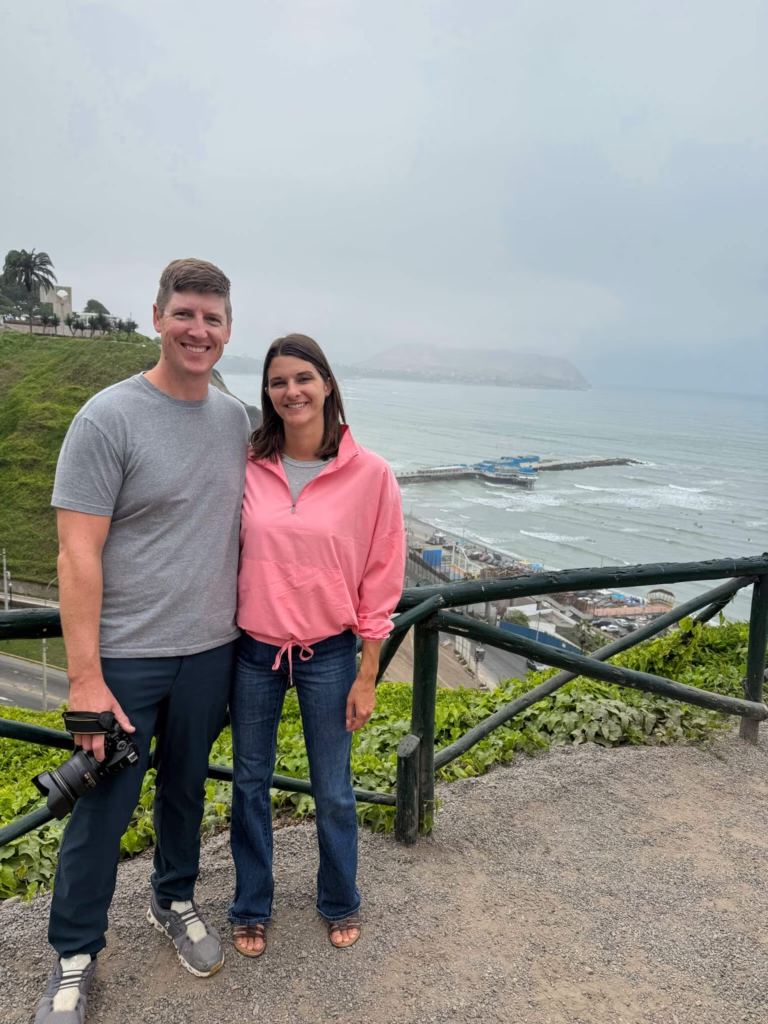
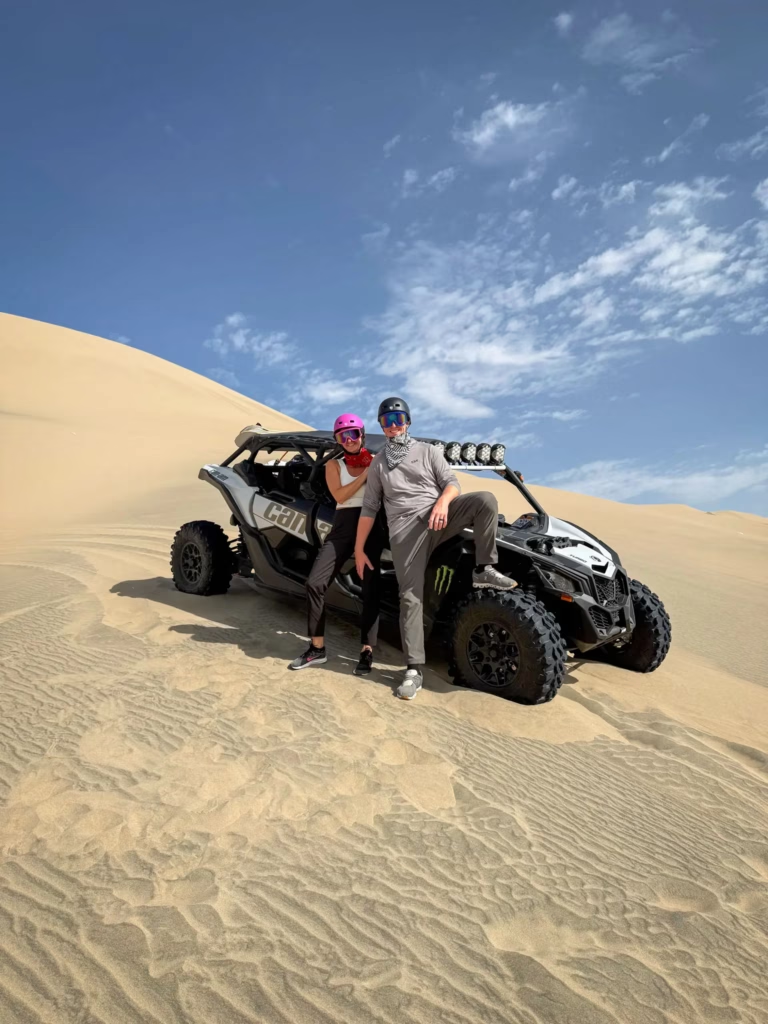
The Pacific Coastal Region runs all along the Pacific coast in Peru – go figure. This region is characterized by sandy deserts and mild year-round temperatures. In this region, fog is a constant companion and humidity is high. However, there is minimal rain. The temperatures are mild in the day, unlike most deserts, as the Pacific Ocean keeps the temperatures cool. Lima, the Ballestas Islands and Huacachina are popular destinations that fall into this climate region.
The Andes Mountains
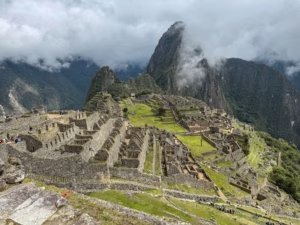
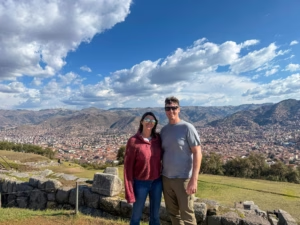
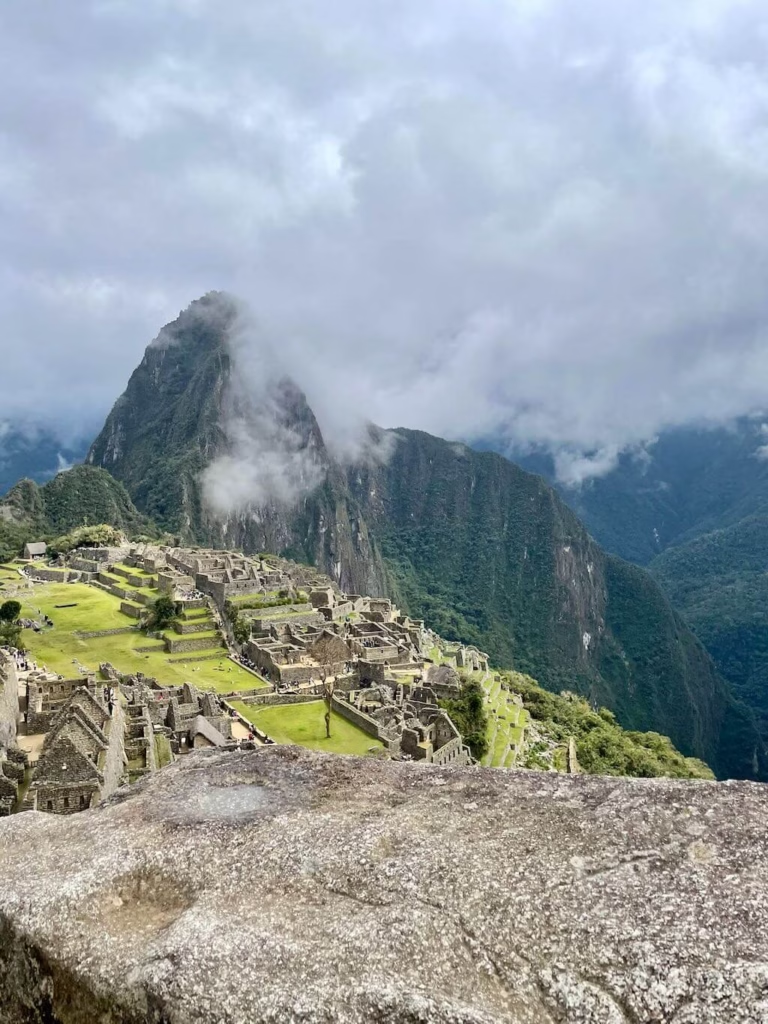
Next, the Andes Mountains is the region most Peruvian visitors spend a majority of their time in. This region includes Machu Picchu, Colca Canyon, Cusco, The Sacred Valley, Lake Titicaca and Arequipa. This region is primarily characterized by the high elevation. These high elevations leads to cool, sometimes cold, temperatures that vary widely throughout the day depending on sun levels. However, with the elevation, the intensity of the sun is high making heat and sunburn big factors as well.
There are also a heap of microclimates in the mountains. The one recommendation we have for visiting this area is LAYERS! We hiked some days with temperatures varying by 55 °F. Most Andean regions are also impacted by the rainy season with increased rainfall from November-April.
The Amazon Rainforest
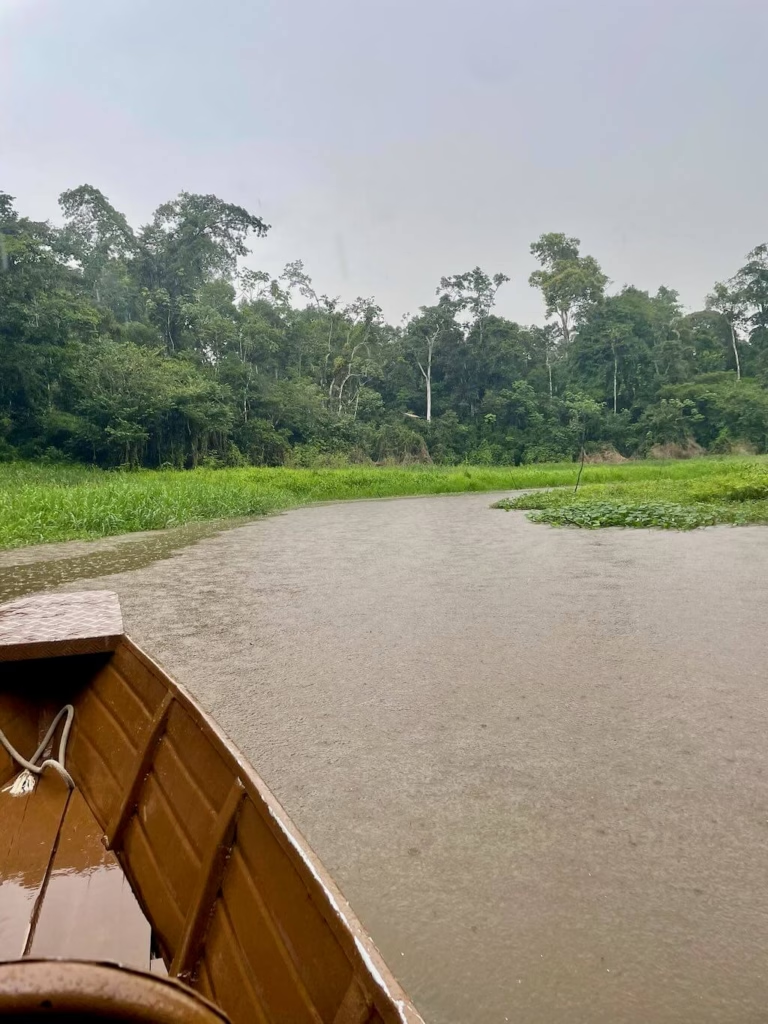
Lastly, the Amazon Rainforest makes up a majority of the country. This area is pretty consistent year round. The temperatures are routinely hot and rain happens pretty much daily throughout the year. While it does rain practically every day in this region, more water falls during the rainy season, November-April, leading to higher water levels. Puerto Maldonado, Manu National Park and Iquitos all fall within this region.
Clothes To Pack For Peru
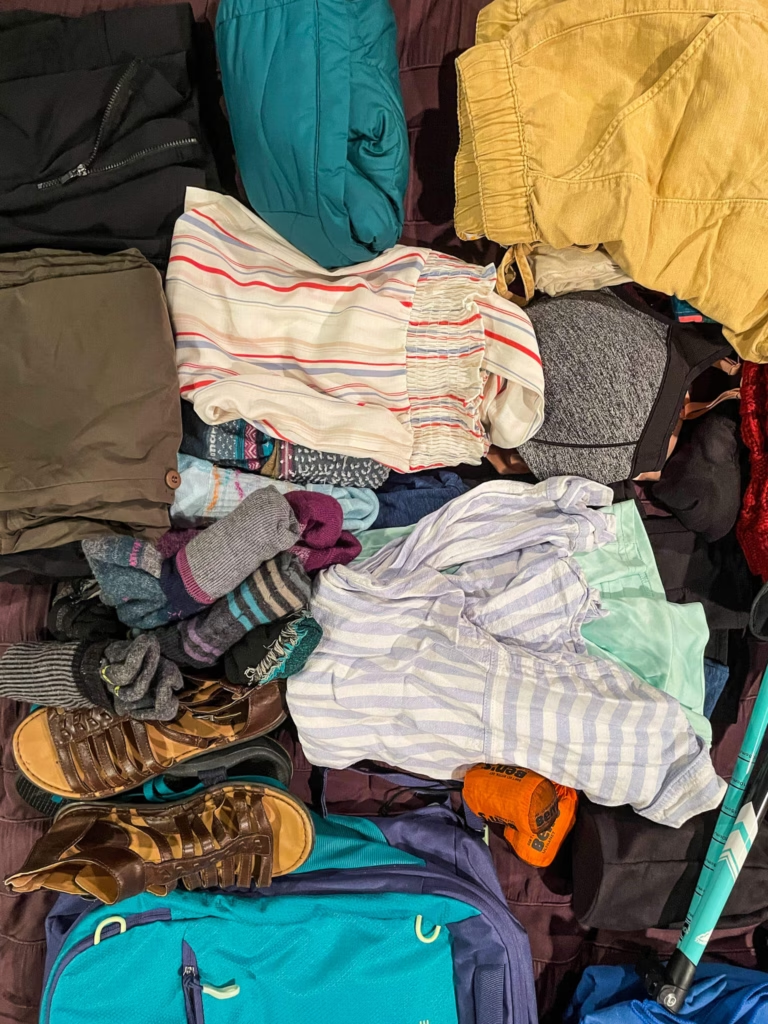
The key to dressing for Peru, and most other places in the world, is layers. Want to dress like a pro, choose layers that breathe easily and dry quickly.
Why dress in layers? If you’re visiting the Andean mountains, temperatures will get warm during the sunny days and drop severely in the evening. Also, if you’re traveling to higher altitudes, like Lake Titicaca, you’ll use those layers even in the daytime hours.
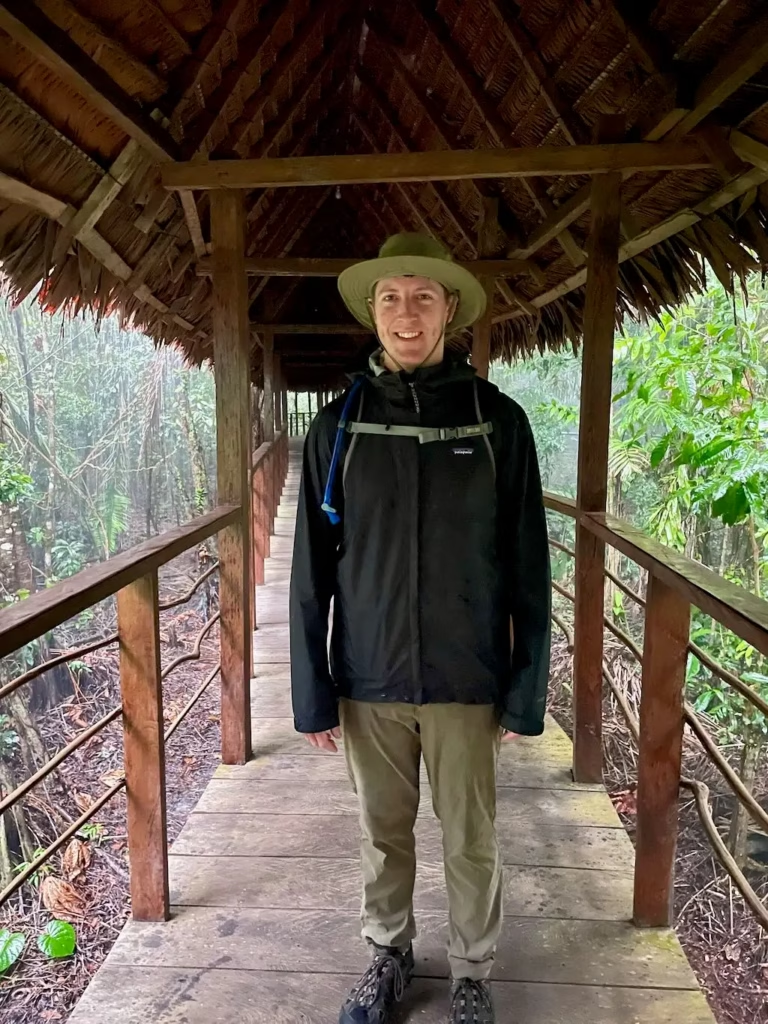
Why prioritize breathable, quick drying clothes? If your itinerary varies in extremes, like our itinerary that went to the rainforest and the highest altitude lake in the world, breathable clothes will be best for both cold and warm temperatures. Quick drying clothes mean that being caught in a pop up rain storm won’t ruin too much of your day. Multipurpose clothing is ideal. I became absolutely obsessed with this jacket during our trip that kept me warm during Lima nights and dry during Amazon days.
Unisex Peru Clothing Packing List
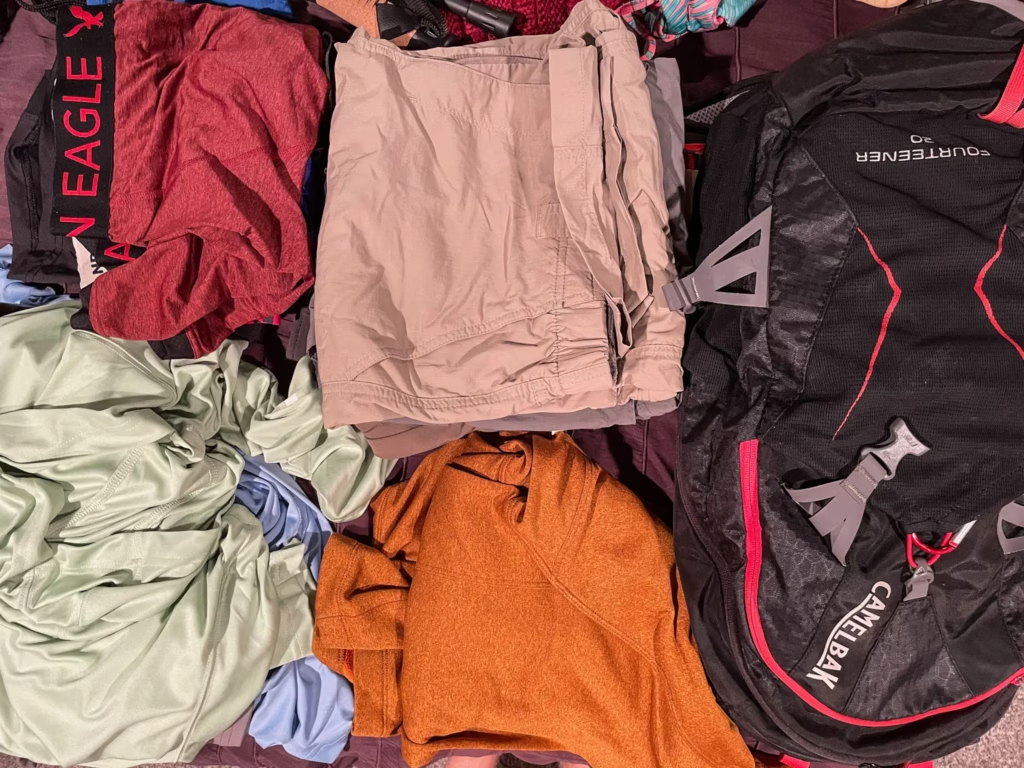
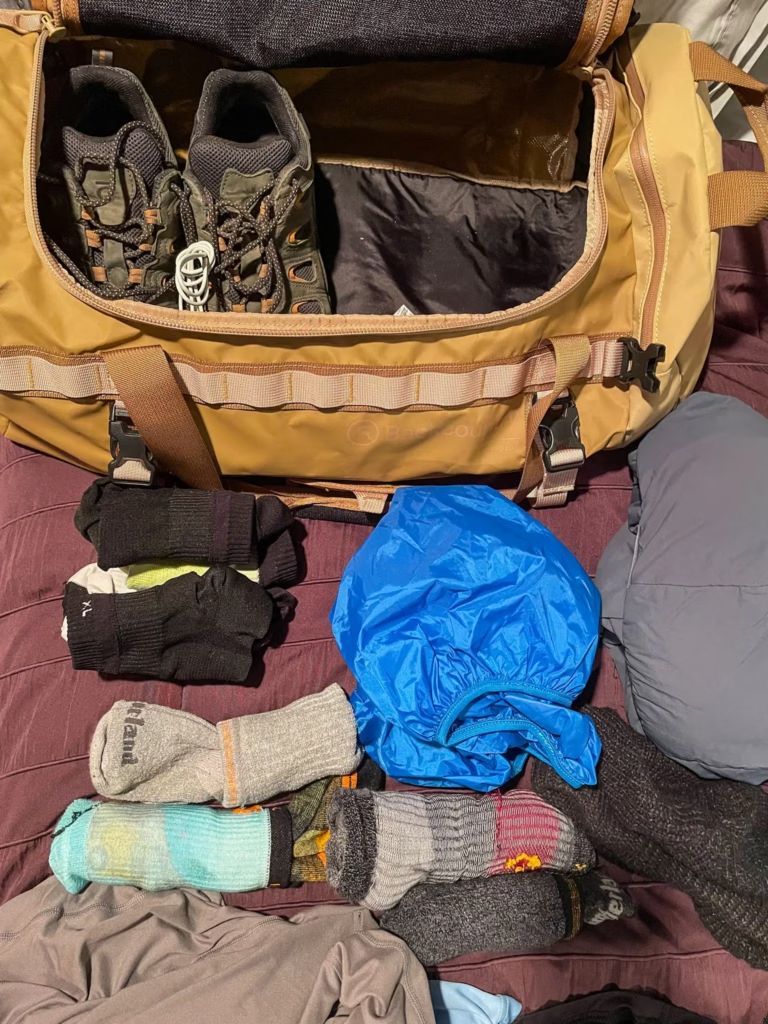
- 4 quick drying t-shirts or tank tops – one dressy, several in neutral tones to avoid scaring wildlife
- 2 lightweight jackets or sunshirts – choose lighter colors to avoid attracting bugs
- 2 warm layering pieces – one dressy
- 1 rain jacket
- 1 cold weather jacket
- 2 pairs of jeans
- 4 pairs of athletic pants
- 2 pairs of athletic shorts
- 7 wool socks
- Our shared favorites – So expensive but so worth it!
- 7 pairs of underwear
- 1 bra (if needed)
- 3 sports bras (if needed)
- 4 pajamas
- using your base layer for pajamas is a pro packing move
- 1 swimsuit
How did all of that last for 2 weeks in extremely humid (aka sweaty) conditions? We found these cool laundry sheets and did laundry in the hotel sinks. We washed and hang dried all of our quick drying gear this way. Additionally, we sent our thicker clothing to the laundry a few times – just don’t do that in Lima because it’s way more expensive than other areas.
Footwear To Pack For Peru
Sturdy footwear is essential in Peru. Whether you’re trekking Machu Picchu, walking the uneven streets of Lima or stomping through the rainforest, you’ll need good footwear. We recommend three pairs of shoes.
First, hiking boots with high ankles. We have both high and low ankle hiking boots and we know this is a hot topic for hikers. I chose high tops and Scott chose low tops for Peru. I was correct in my choice. There were so many times that we stumbled over uneven trails when hiking. Additionally, the mud we trekked through splashed. High top hiking shoes were helpful in both of these instances.
Second, a pair of versatile slip on shoes that you don’t mind getting wet. I love my “hiking” sandals. And Scott loves these water shoes. These shoes were great for slipping on and off to wander around our jungle resorts. They were also great for warmer weather days wandering towns as they have great soles.
Lastly, we recommend a pair of casual walking shoes. I chose sandals and Scott chose trainers. Scott was right on this one. “Warm” weather is limited to the Amazon. I never felt like it was warm enough in the cities to wear my sandals. Whatever, casual shoes you choose will be for walking around towns and going out at night.
Gear To Pack For Peru
Re-usable water bottles, preferably collapsable, are a great addition to your Peru packing list. You should buy bottled water in Peru as the tap water isn’t always digestible to those not used to it. However, lots of hotels we stayed at offered filtered water. We were able to fill up our water bottles in the morning and generally did not need to buy water during the day. Also, for those visiting the rainforest, you can’t buy water so you MUST have a water bottle to fill up at your resort.
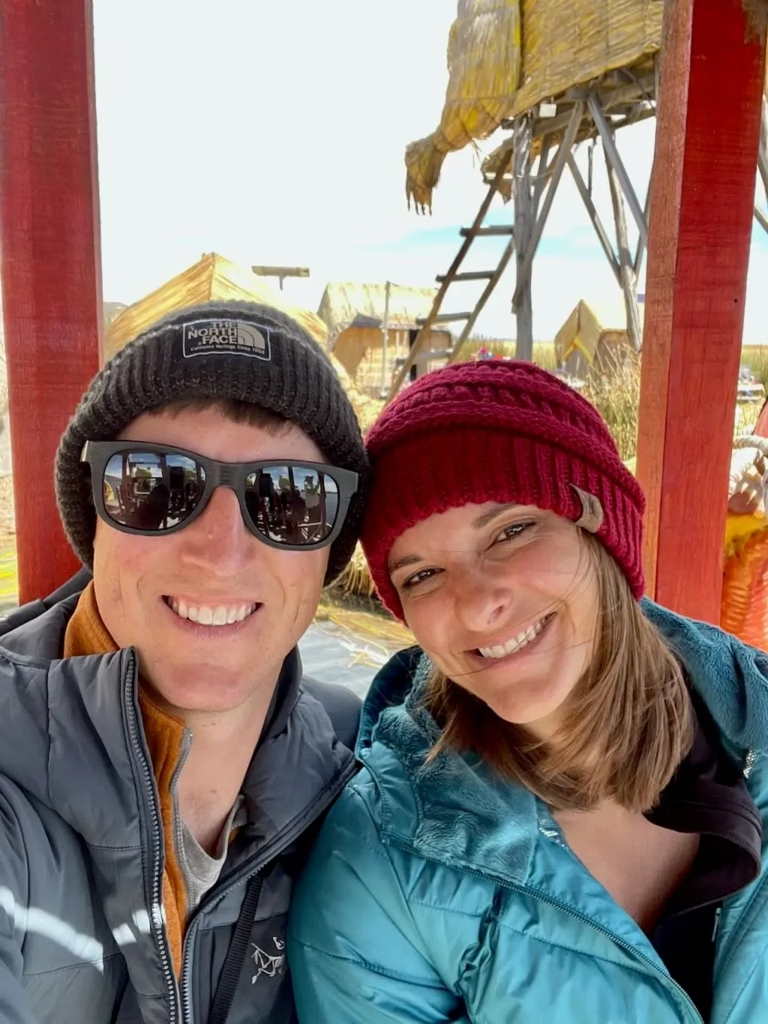
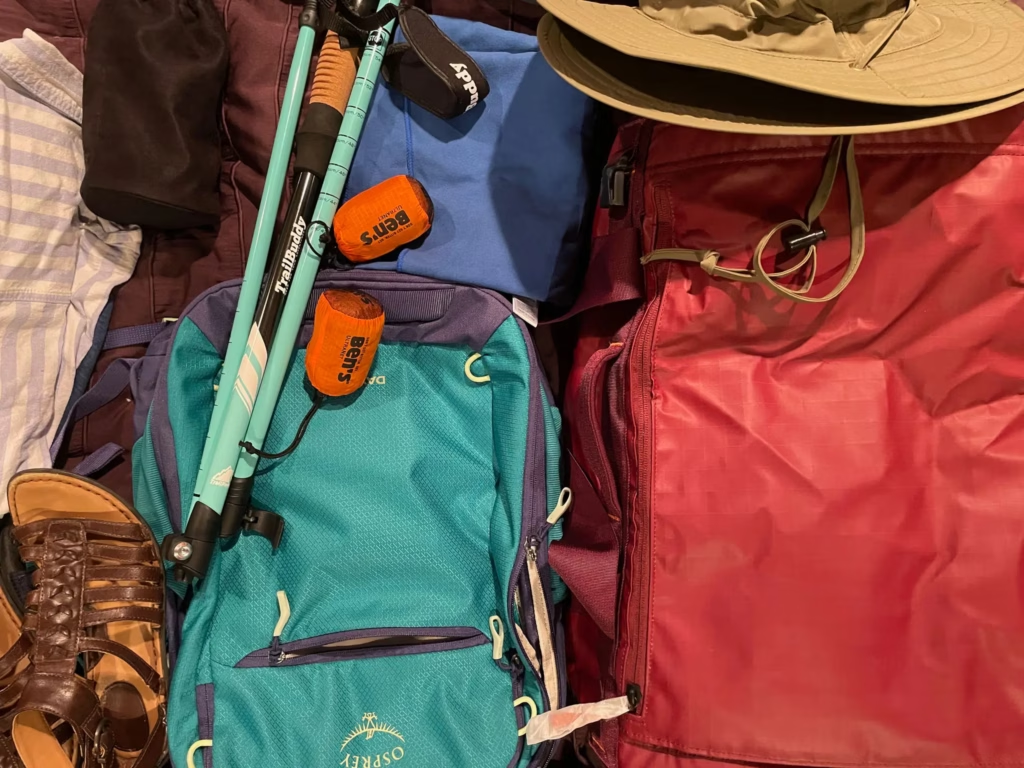
Sunglasses and a sun/bug hats are essential. We bought these matching sun/bug hats as a joke – so we could be THOSE bird watchers – and we ended up wearing them almost every day. It just goes to show you shouldn’t knock it until you try it.
We bought these bug nets for our trip to the Amazon. The bugs weren’t bad during the day and we could have very easily left these behind. However, we wore these when we went for night hikes in the rainforest and they made us feel much better about hiking with deadly bugs in the dark. Did they do anything other than make us feel better – probably not – but they also take up minimal space.
You’ll want a hat, scarf and possibly gloves. We wore these a lot in the Andean regions, especially in the morning.
We used our headlamp way more than I thought we would, especially in the rainforest. Also, it would be a great idea to pack a flashlight as well. This is only recommended for those visiting the rainforest as we didn’t use it anywhere else.
Don’t forget your binoculars. Peru is a wildlife spotting destination for the bucket list and you wouldn’t want to miss out on that wildlife because you were too cool to carry binocs.
Toiletries To Pack For Peru
Don’t forget to pack insect repellant with DEET. We thought we would just use this in the rainforest, which we did, but we also used it in Lake Titicaca and the Sacred Valley.
You can bring basic first aid supplies – but pharmacies are wildly available and easy to access and cheap. I’d plan on buying supplies there as needed. We bought bandages, antibiotic cream, a knee brace, motion sickness medicine and medical tape while we were there. I think we came home with more first aid than we left with.
Additionally, you’ll want to bring specialized prescription medication from home. Also, we needed malaria medicine as we visited the rainforest. Check the yellow book to see if you’ll need malaria medication. Other medications that we used were over the counter medications for traveler’s diarrhea and altitude sickness, though you may also want prescription medications for this common aliments. Lastly, being at elevation can affect your bodies normal rhythms (ie: pooping and your period). Make sure to bring medication or hygiene products to solve any potential issues in a disruption to your normal rhythms.
Don’t forget sunscreen and lip balm with sunscreen. Whether you’re on the river in the Amazon or up in the high elevation mountains, the sun is intense in Peru.
You’ll need your basic toiletries kits: shampoo, soap, toothpaste, toothbrush, deodorant, etc. However, consider making sure your products are biodegradable if you’re going to the rainforest. Otherwise, plan on using your resort’s products as most rainforest resorts are on closed septic system and soaps in particular are hard to break down.
Electronics To Pack For Peru
We used our phone for a majority of our pictures. However, we did use our camera for taking photos of the more popular destinations like Machu Picchu.
Don’t forget your portable charger. It was not uncommon to not have power in the rainforest regions and so we used our portable charging banks to recharge our phones.
Most hotels had American/European (A and C) style outlets that could accept either. However, some had one or the other. I would recommend bringing this awesome power adapter just in case.
Baggage Suggestions
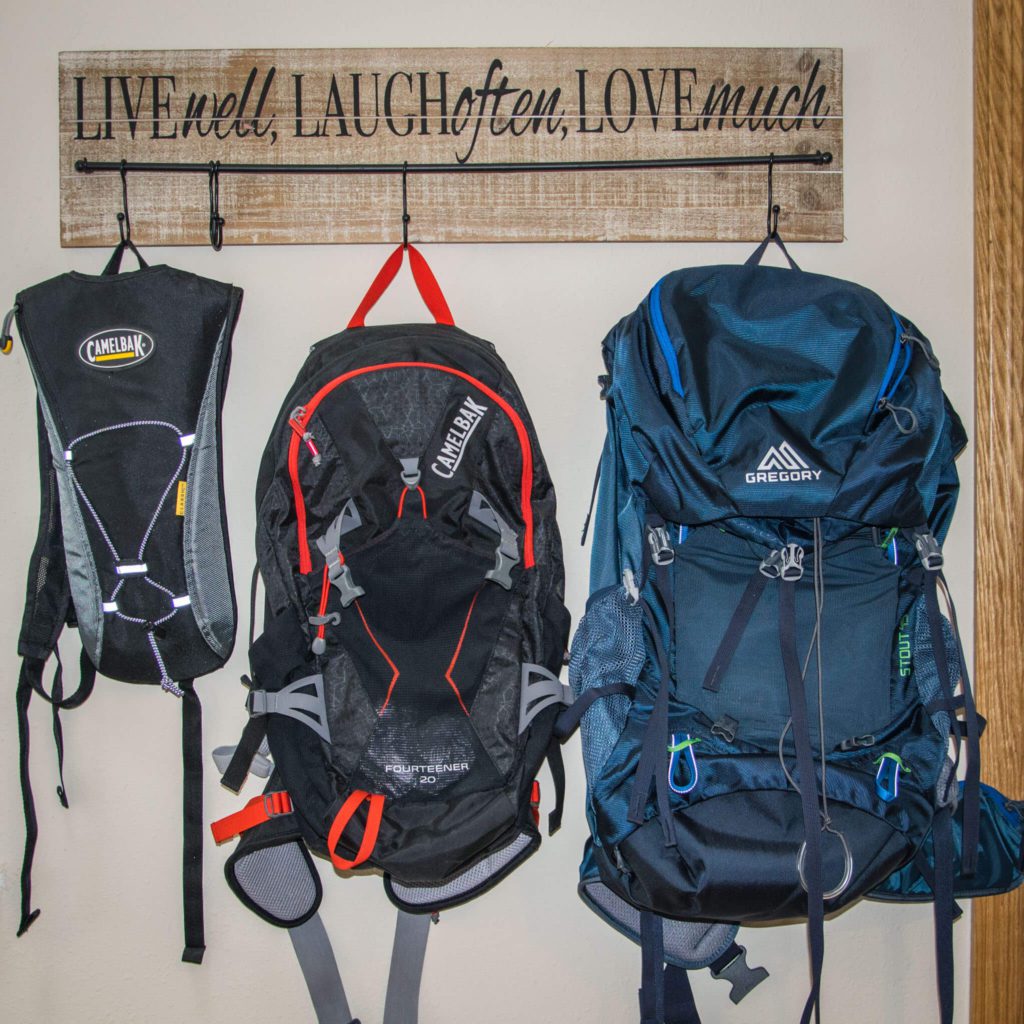
OMG we got these new bags for Peru and we are now obsessed with them! They don’t have wheels but they are great for traipsing around more adventurous destinations. Because they don’t have wheels, they have more internal space for storage. They convert from a backpack to a duffel easily and are super durable and water resistant – we tested both. They’re also one of the cheapest “adventure duffles” on the market. Whatever bag you choose, wheelie bags in Peru may not be the best as streets can be very uneven.
You’ll also want a daypack for your adventures. This is our favorite daypack ever. It is big enough to store our camera gear in and has a built in water bladder for hydration. It’s pretty expensive but we’ve had ours for over 15 years. We only carried one daypack that was used for both of us during our travels. Don’t forget a water resistant cover for your baggage as it can rain pretty regularly and you don’t want your gear getting wet.
What Not To Pack For Peru?
I never once wore my “dressy” shorts or dresses in Peru. The cities that we visited, Lima and Cusco, were both too chilly for shorts and dresses and there was no dressing up in the Amazon. Skip the dressy clothes for warm weather. If you want dressy clothes for the cities, go with layering options and pants for the cooler evenings in the big cities.
I also never once got my hot tools for my hair out. The humid weather in all of Peru, even in the “dry” season, meant that if I did my hair it would frizz. So why waste my time. Skip hair products and tools in favor of more natural dos.
We also normally use our quick drying towels tons when we’re on vacations. However, we never once used ours. We swam in the Amazon River but it was so hot and humid that we just air dried. We could have easily left these at home.
Perfumes can stay home. If you are visiting any natural areas and hope to spot wildlife don’t use scented products. Additionally, scented products can attract mosquitos and other pesky bugs.
Lastly, we only used our GoPro once. We thought with all the high adventure stuff we were doing we would use it more. However, in the end I wish we would have left it at home. It was just one more thing we had to make sure we didn’t loose.
We hope this has helped you to know what to pack for Peru. For more help planning your Peru vacation, check out our Peru travel page here with all of our Peru vacation posts.