When I start planning a vacation, I grab some travel guides from my local library and huck them at my husband and ask him to flag anything that stands out to him. So when I saw him giggling like a child, I was intrigued. What could be so funny in that Peru travel book.
Turns out it was Lake Titicaca. Yes, he has the humor of a teen boy. As we continued planning our Peru vacation, he kept saying he wanted to go to Lake Titicaca so he could get a t-shirt with “Lake Titicaca” printed on it. So in the end we went to Peru and took a huge detour to Puno and Lake Titicaca and weren’t able to find that t-shirt. While we do think the vendors in Puno are missing a prime market by not having that t-shirt, we had a great time in this more off the beaten path travel destination.
Keep reading for a list of things to do in Puno and a review of our experiences on Lake Titicaca.
Stuff In This Post
ToggleAbout Lake Titicaca
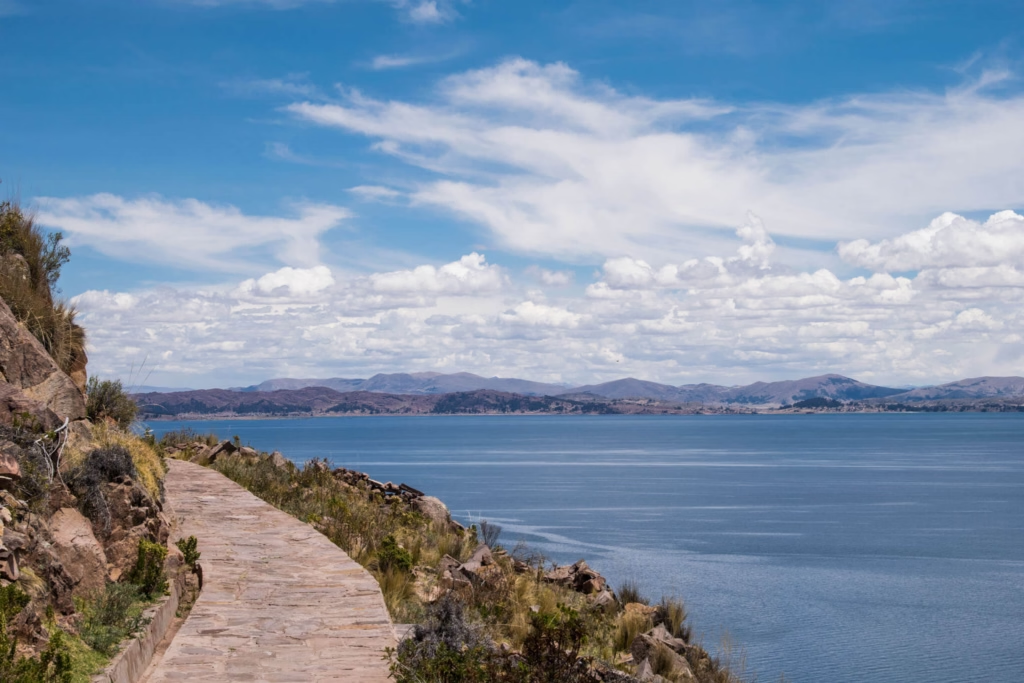
Lake Titicaca (or Lago Titicaca) is the largest lake in South America with a surface area of over 3,000 square miles. This lake is part of the border between Peru and Bolivia. It’s also the highest navigable lake in the world at an elevation over 12,000 feet (3,800 meters). Though some argue that there are other lakes at higher elevations (and there are) this is definitely a large lake so big that it used to have a massive ocean barge on it. So big that you can’t explore it all on any vacation.
About Puno
Puno is the main stop for people in Peru wishing to visit Lake Titicaca. It is the largest town on the Peru side of Lake Titicaca. This town is located in the southern region of Peru and has a population slightly over 100,000 people. The town is settled into a small valley between the surrounding mountains and the lake.
Because of the high elevation of this region, likely the highest elevation you’ll reach on your Peru vacation, you want to make sure you properly acclimate to the elevation. We visited Puno after visiting Cusco so we already had time to acclimate to high elevation. Additionally, while in Puno, make sure you are drinking plenty of water, getting plenty of sleep and drinking coca tea or eating coca candy to stave off the effects of the altitude.
Getting There And Around
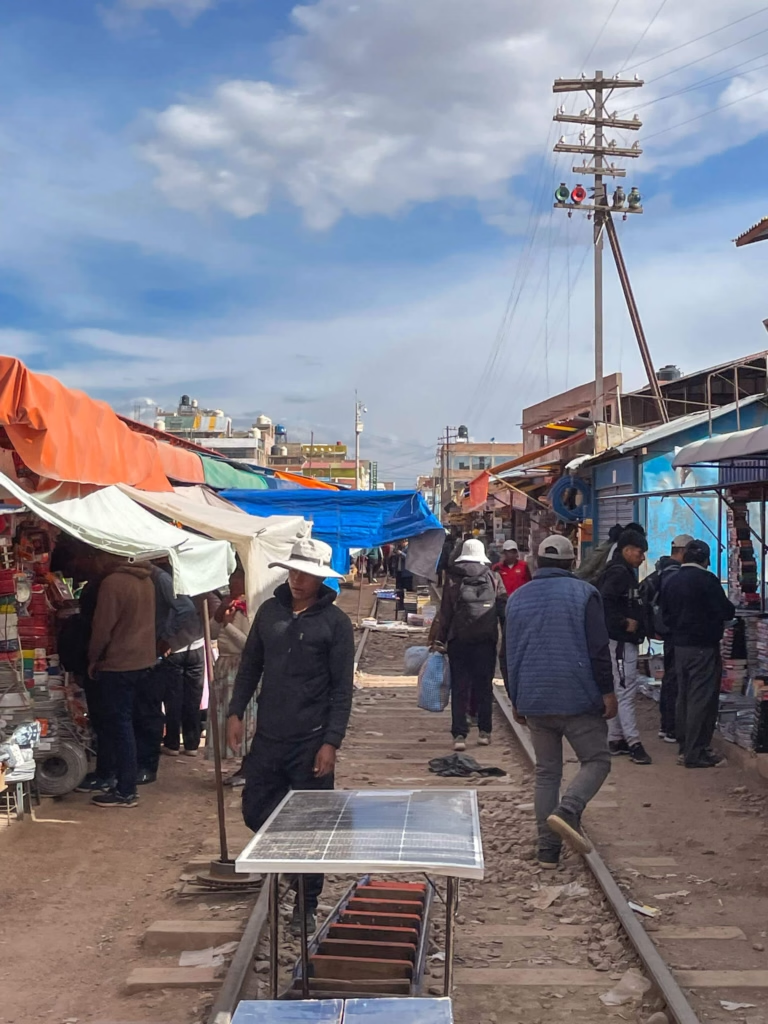
The closest airport is in Juliaca, about 1.5 hours by car from Puno. You can fly there from Lima. Additionally, many tours and buses serve this area as well. Either of these modes of transportation could be fastest/cheapest depending on what Peruvian city you are starting from.
Lastly, there are high end (read: expensive) train rides that you can take from other tourist regions. They are typically the most expensive option and don’t necessarily get you there fastest.
Guided Drive From Cusco
We chose to take a guided tour from Cusco. Check out a similar tour here that includes return journey to Cusco. It’s a long drive at 6.5 hours. However, there aren’t any direct flights from Cusco to Puno so a flight would have taken about the same time with a layover. We chose to go with a tour operator, rather than a bus or train ride because it included stops along the way. With this stops, the trip took us about 10 hours.
We were picked up early in the morning, around 6 am. Thankfully, our hotel made us a little sack breakfast for the road.
Church of San Pedro de Andahuaylillas
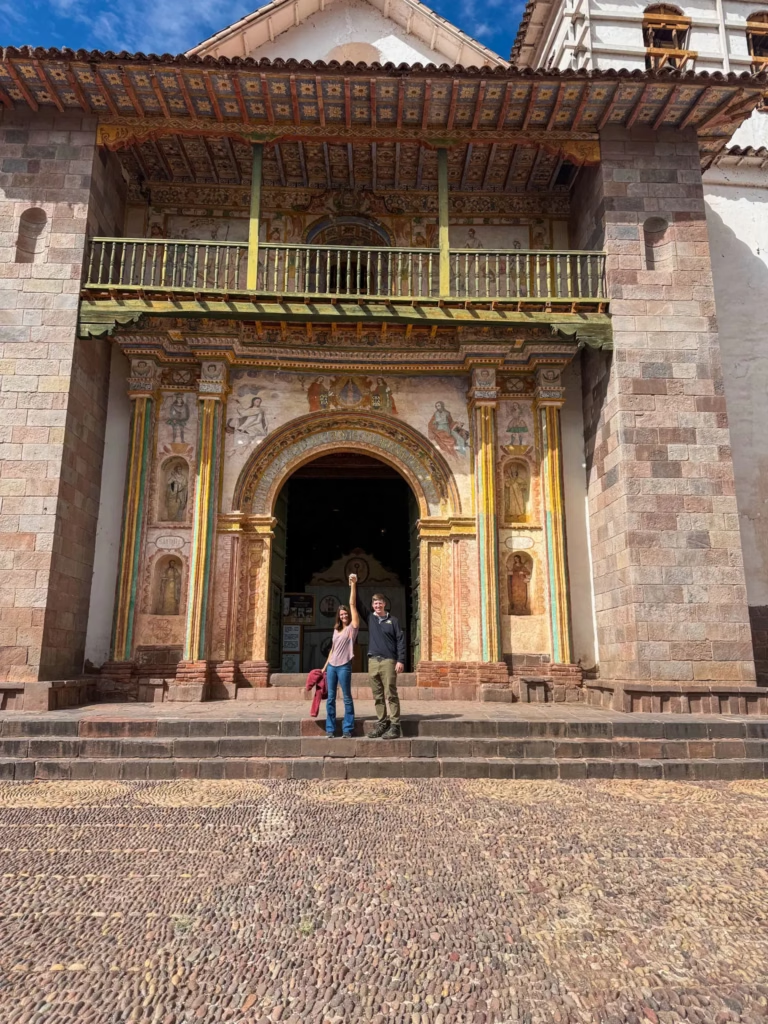
The first stop was the famous Church of San Pedro de Andahuaylillas said to bring good luck to couples married there. We explored the inside of the church and the small attached museum. The museum also had restrooms to use.
Raqchi Ruins
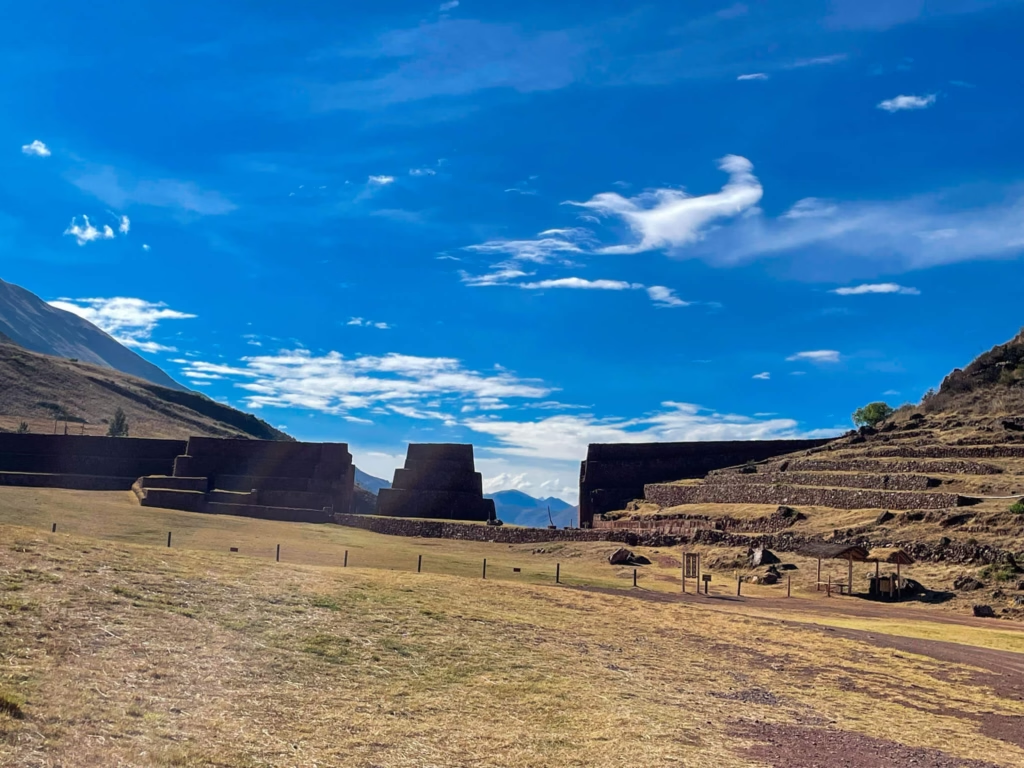
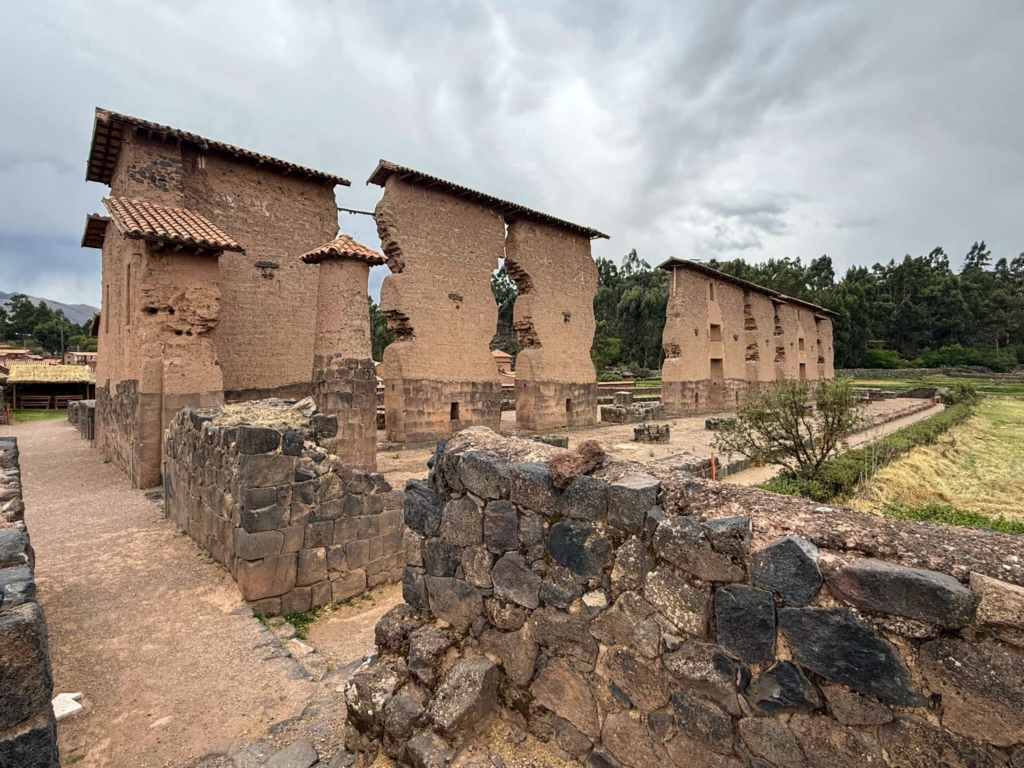
Next, we stopped at the Raqchi ruins. These were so cool! I didn’t even know we’d be stopping here. This stop is at a well preserved massive ancient Inca city – think Machu Picchu age. However, this city was massive. While lots of the structures have crumbled due to earthquakes, there are still walls standing that indicated multistory temples, massive grain stores and a big community of settlers. People are still farming the same farm plots that have been farmed for hundreds of years here which was very interesting.
Next, we went to a massive buffet lunch – seriously a buffet to rival a Vegas buffet! Lunch was really good and included. Drinks were extra. Don’t forget to use the restroom here.
Raya Pass
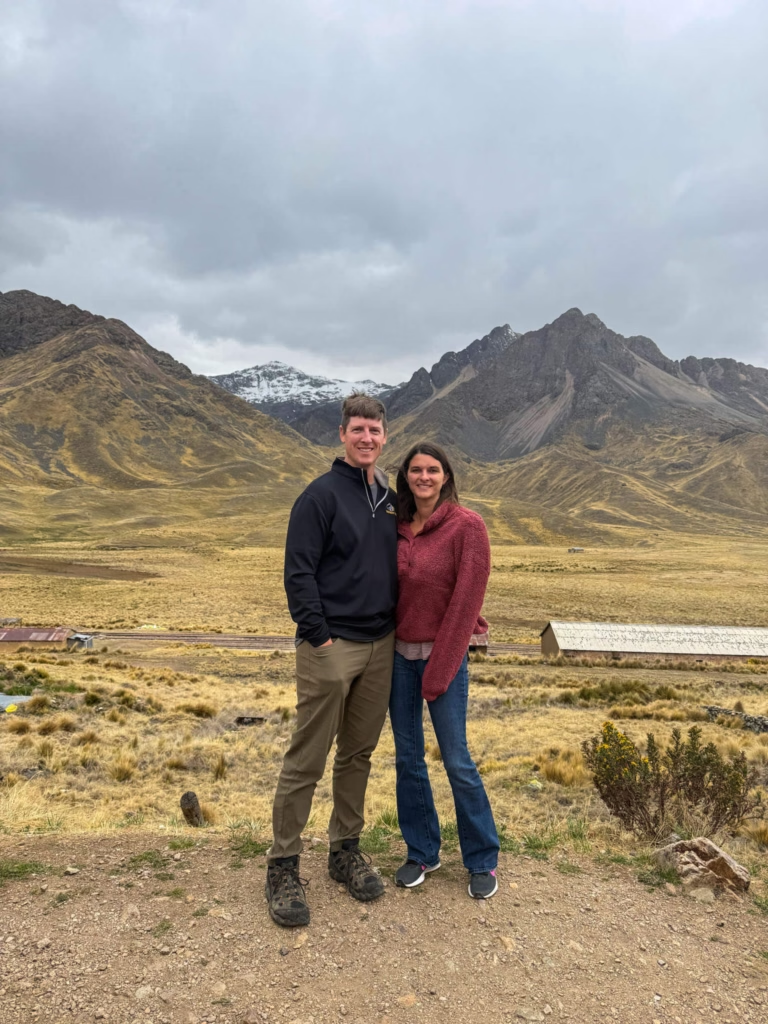
Next, we drove through the Raya pass. This is the highest elevation or your journey and the highest elevation we’ve ever experienced. The mountains up here are beautiful and snow capped. You’ll get out to stretch your legs and buy souvenirs if you choose.
Next, stop at the small Pukara museum for a quick insight into the Pukara culture and a well needed bathroom break. The Pukara culture was a pre-Incan culture in the Lake Titicaca region. The museum displayed a lot of their more brutal pieces of history, including a very famous beheader.
Puno
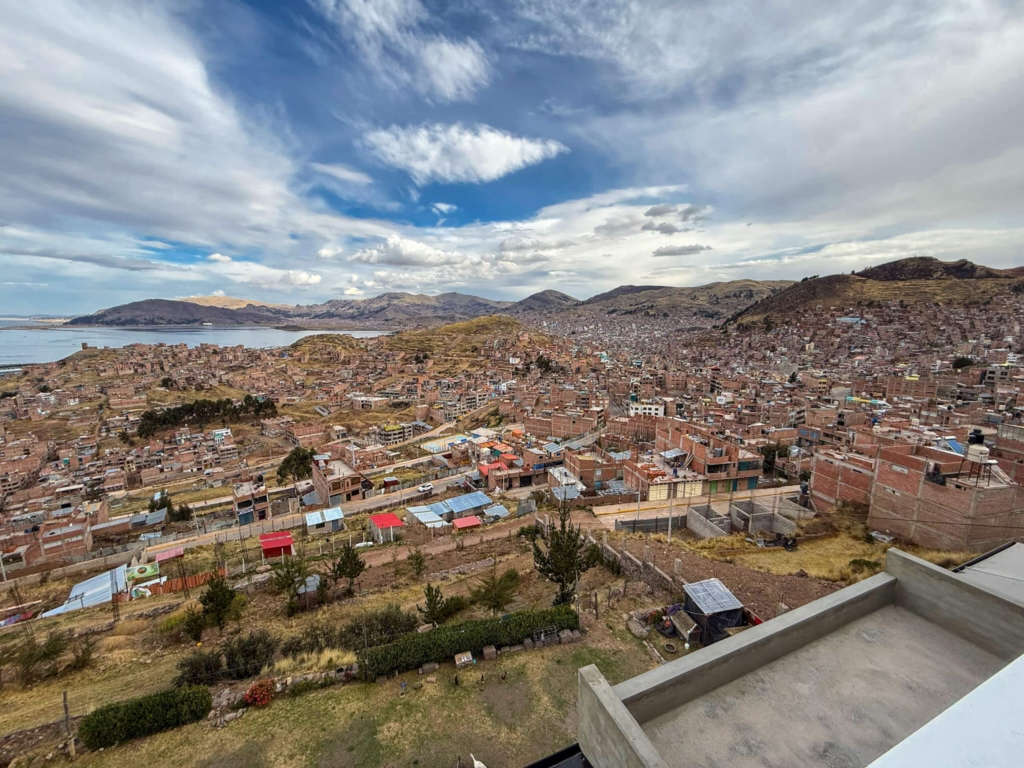
Lastly, before descending in to Puno, the guide asked our driver to stop at an overlook as we still had some time. This gave us a nice view of Puno and Lake Titicaca before we were dropped off at our hotel around 5:30 PM. I should note, we made the mistake of getting all settled in to our hotel before thinking about dinner. We were there on a Monday night and by the time we got around to thinking about dinner around 7 PM, all the nearby places had closed. It actually worked out for the best because our stomachs were a little upset due to the altitude. So we just had lots of tea and water for dinner instead.
On the return journey, we flew from Puno to Lima.
Things To Do In Puno
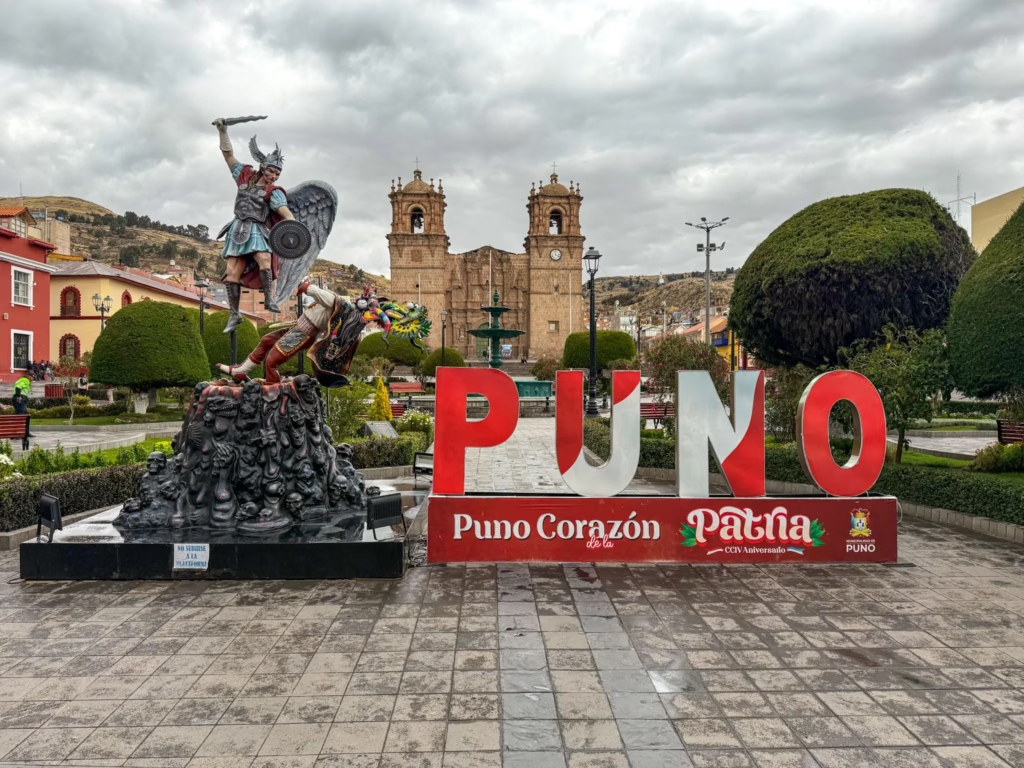
Plaza de Armas
The Plaza de Armas is the main central square in the town. This is where you’ll find a majority of restaurants and tourist shops. We were very surprised to find a super high concentration of American style restaurants here – like way more than other Peruvian destination. We had pizza here (it’s a thing we like to try around the world) and their Peruvian corn pizza was very interesting. There also were tacos, sushi and beer gardens.
Puno Cathedral
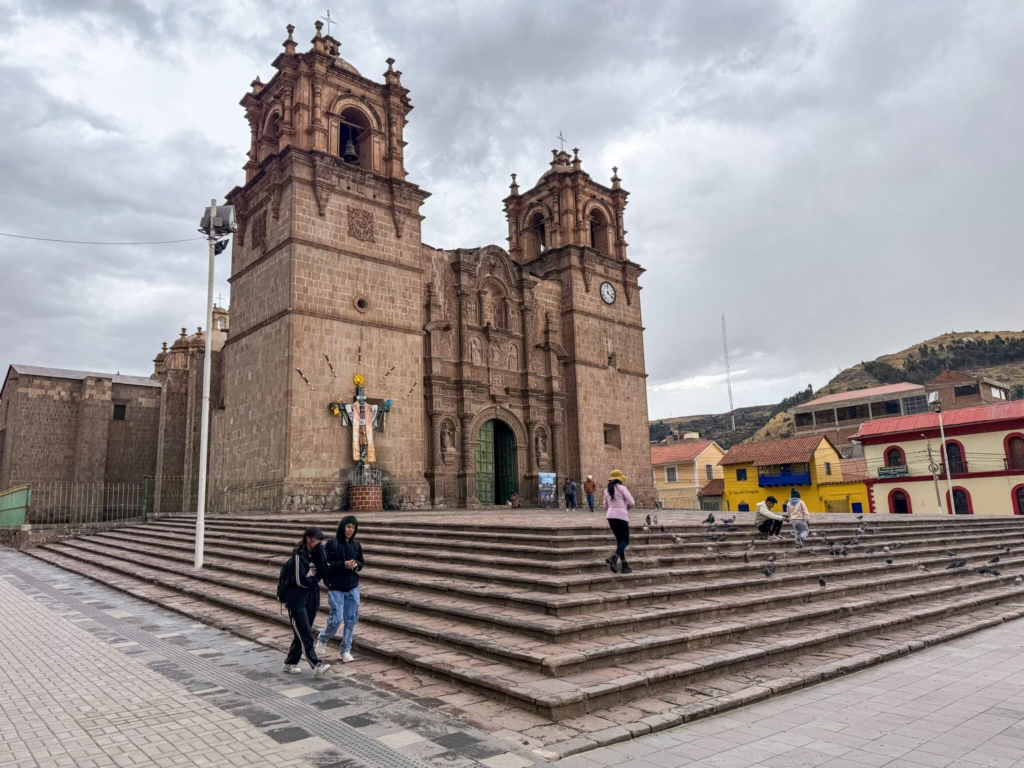
The Puno Cathedral is one of the most beautiful buildings in Puno. You can enjoy the views from the outside and wander around enjoying the architecture inside.
Pino Park
Pino Park is another square with a bit more greenery than Plaza de Armas. This park had lots of street vendors selling tasty snacks. If you’re looking for Peruvian food, these street vendors are your best place to dine in Puno. It was also a great place to people watch. We noticed that lots of college student and kids flooded the area to hang out after school was let out.
Puno Viewpoints
Puno is surrounded on all side by high mountains. So naturally there are some very great viewpoints around the city. You can take a taxi up to the viewpoints to get a good view or nicely ask your driver bringing you into town to stop at one before you arrive.
Kayak on Lake Titicaca
There are several tour operators that take you out onto Lake Titicaca on kayaks. This is a great way to get up close with the birdlife and the reeds that are in the shallow areas of the lake near Puno. The lake is really big and the swells can get large so we’d recommend doing this with a tour guide for the sake of your safety. This is a great half-day kayak tour takes you to the Uros islands.
Lake Titicaca Tour
1 Day Lake Titicaca Tour
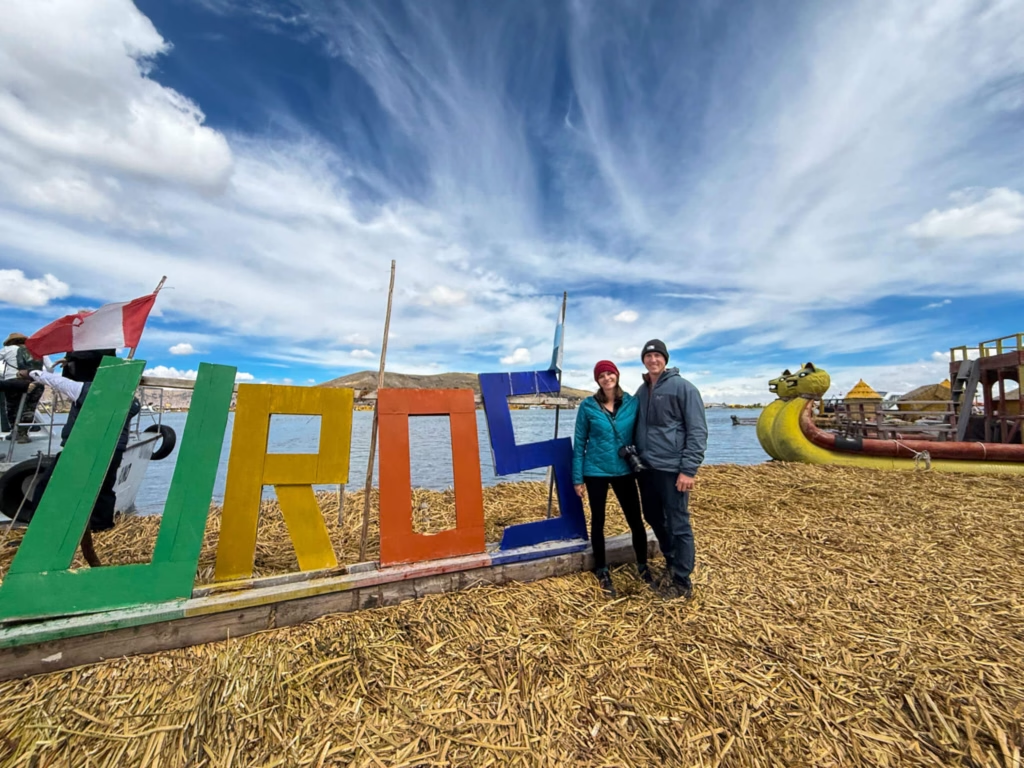
A one day tour of Lake Titicaca starts at the docks in Puno. After boarding a large speedboat with about 30 other people, you’ll take a short boat ride to the floating islands of Uros. On the way there, your tour guide will give you a safety briefing a talk a bit about the wildlife on and in the lake – more on that later.
Uros Floating Islands
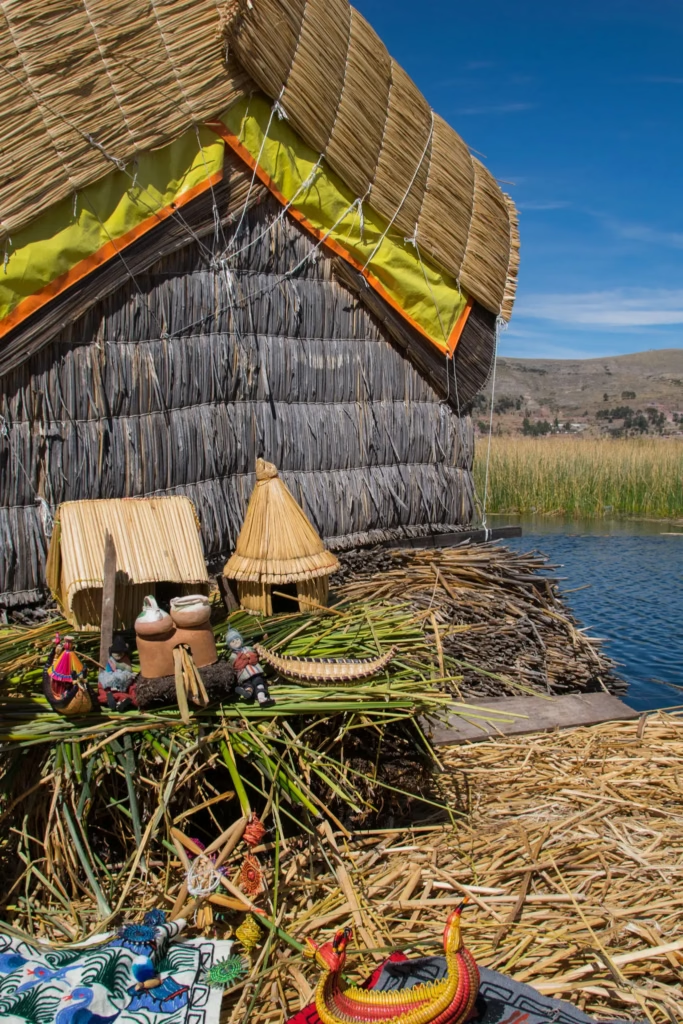
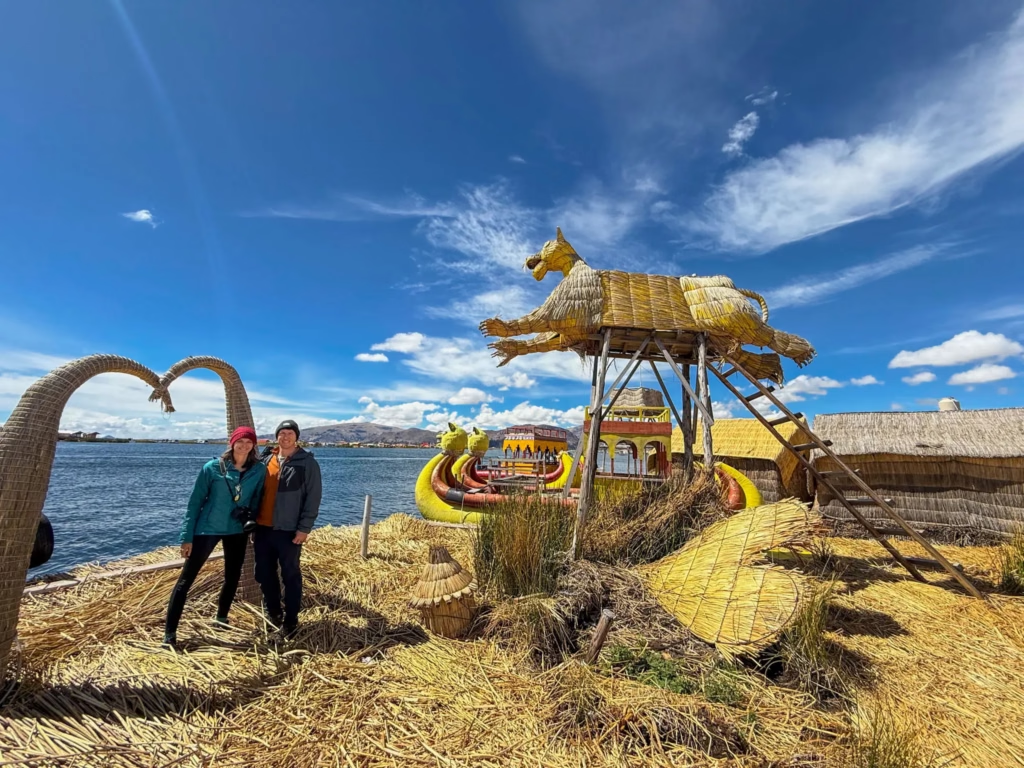
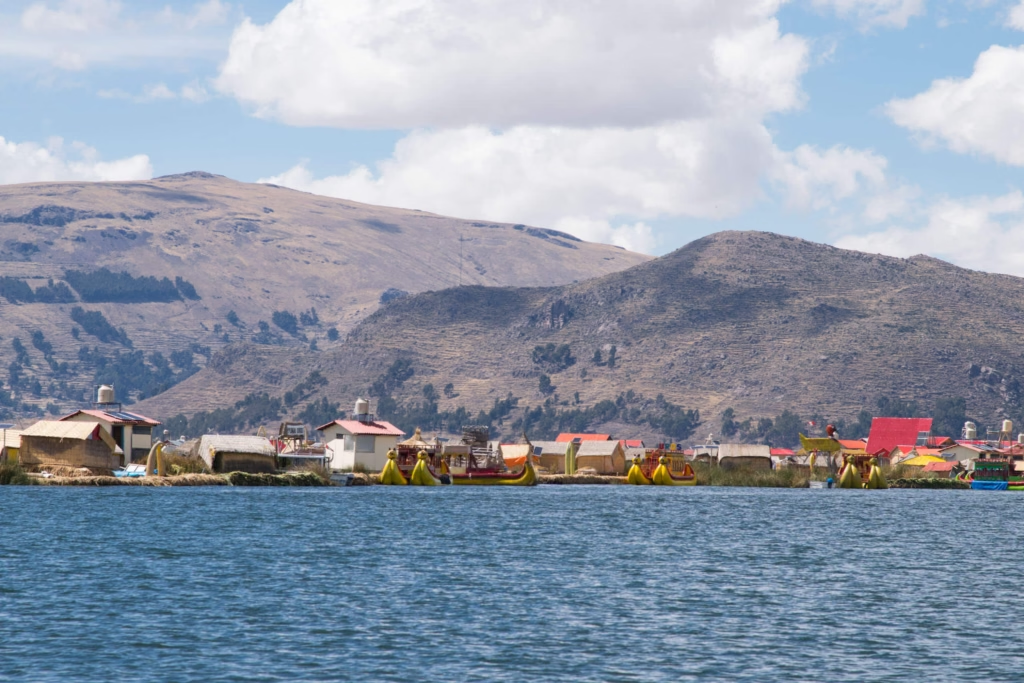
Once arriving to the floating islands of Uros, you’ll be greeted by your host family. The floating islands of Uros are made of layers upon layers of dried totora reeds that grow in this part of the lake.
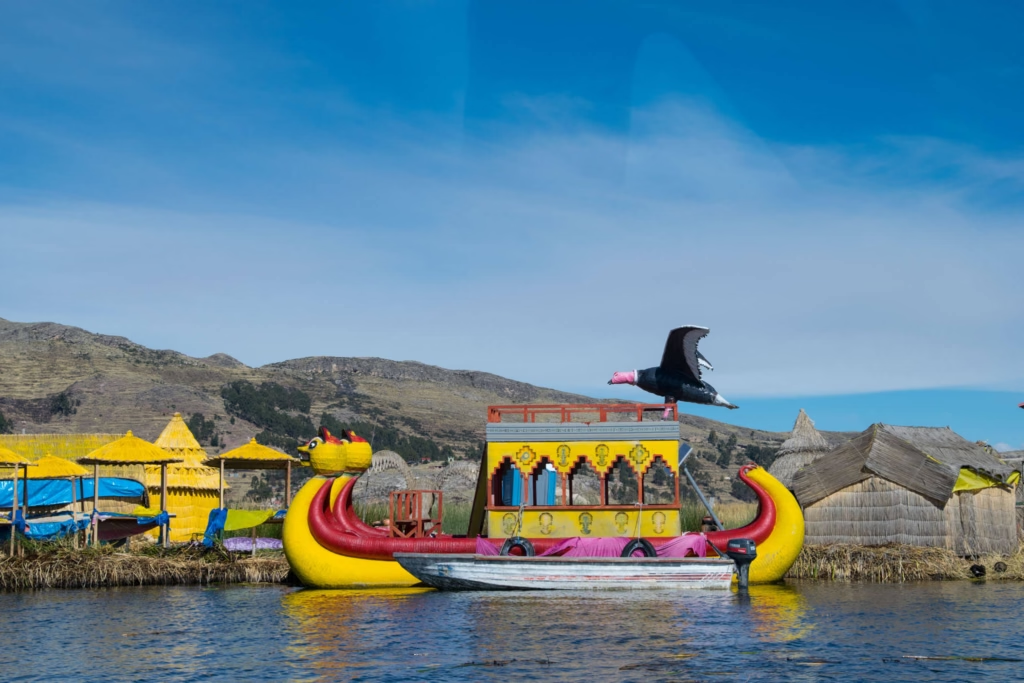
Each island is inhabited by one extended family. The family will explain how they harvest, dry and work with the totora. They use it to make almost everything you see. This includes the island, the houses on the island and parts of the intricately woven boats they use to get from one island to another. While on the floating island, you’ll get to explore the different structures and buy souvenirs from your host family.
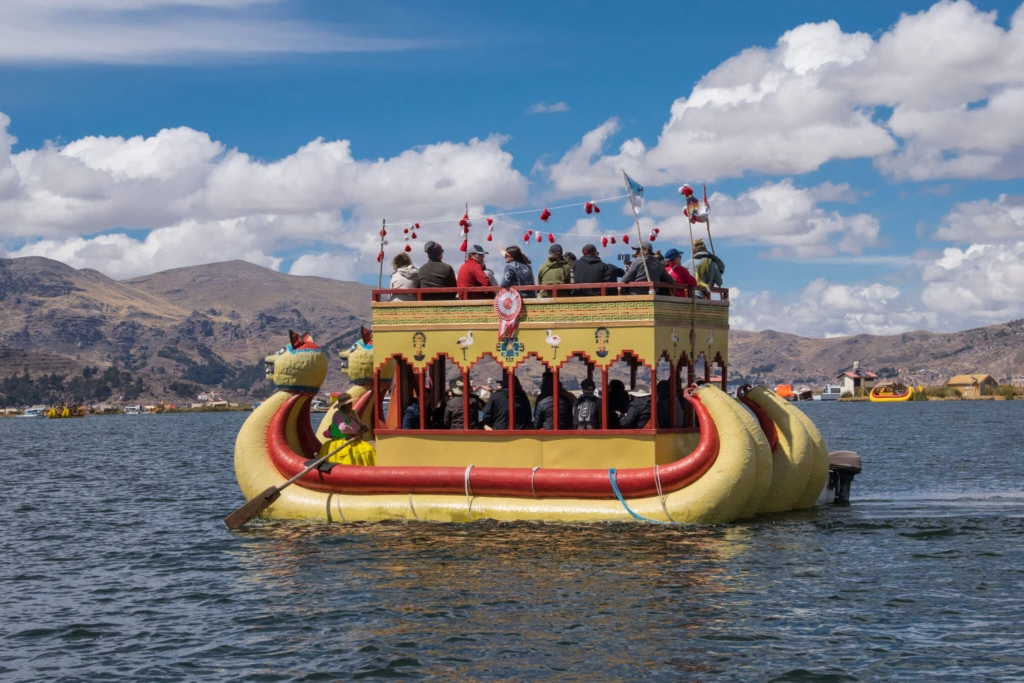
You can then pay an extra cash fee to the host family to take their fancy boat from one island to another. We did choose to do this – when at Lake Titicaca and all that – and then your speedboat picks you up and takes you to the next stop on your tour. Honestly, this boat ride was the most overpriced things we did in Peru at $5 extra US dollars/person for a 5 minute boat ride.
Our opinion of Uros islands
We thought this would be such a cool experience. However, we felt like it was an overly pushy tourist attraction. I understand that these people make their money off of tours. I did not understand that we would be pushed to buy “homemade” souvenirs on their island. Additionally, we felt pressured to hand out money to them for tons of “extras” like the boat ride mentioned above.
The souvenirs appeared to be some of the same mass produced souvenirs that you see at every souvenir stand in Peru. There were also some that did appear to be genuinely homemade mixed in, in all fairness. Additionally, their small children were there pushing those souvenirs on every tourist – it was incredibly uncomfortable saying no to literally crying children.
We did in the end pay for some experiential extras like taking a boat ride and even that seemed a bit fraudulent of a sale. We got in the boat and they paddled for a few minutes before being hitched to a motor boat and being towed to the next island. Overall, we would not recommend going out or your way to visit this settlement.
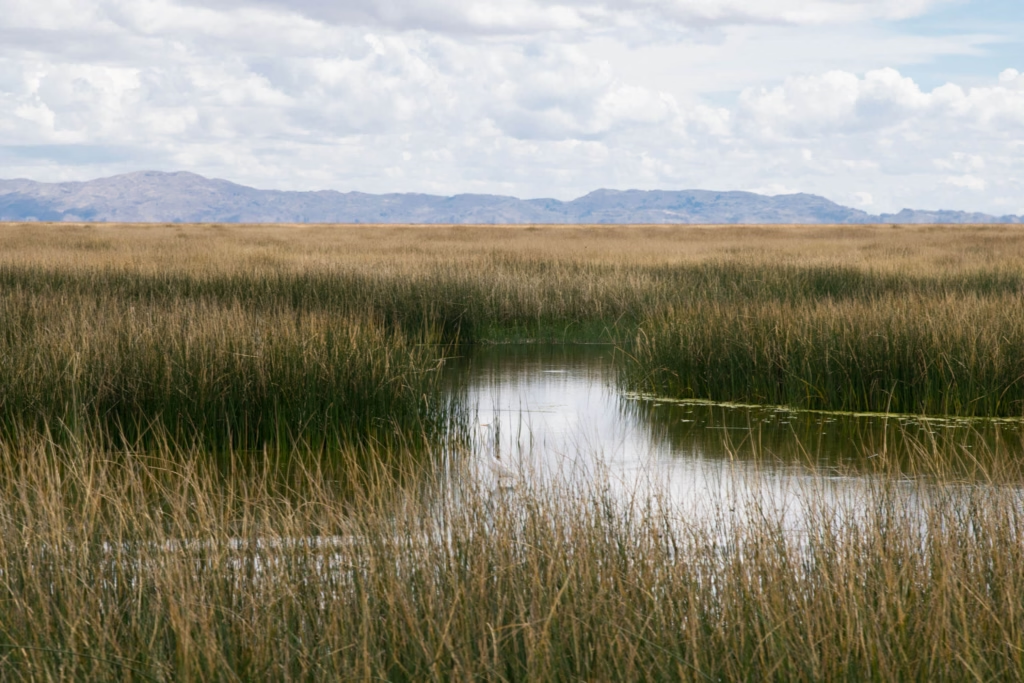
Next on the tour, you’ll leave the reedy area and head out into the big open waters. Keep your eyes peeled in the reeds. We spotted tons of aquatic birds! I get seasick so we always sit outside on boats, which is great for animal spotting. However, it is very cold on the lake so make sure you pack layers.
Taquile Island
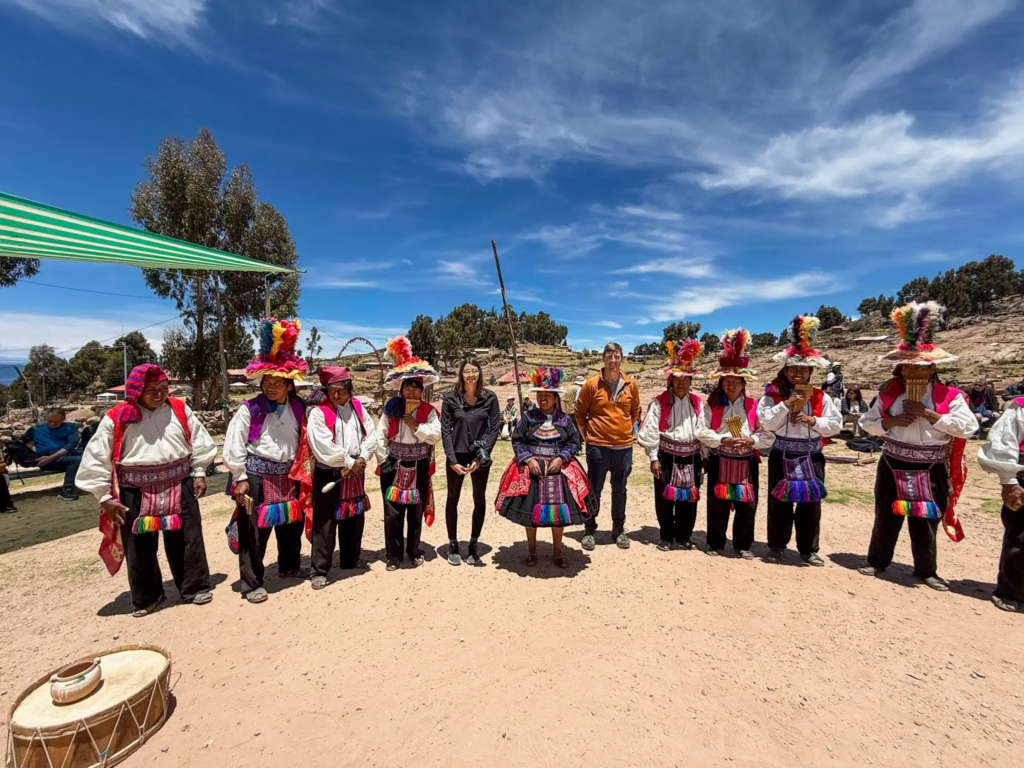
The next stop is Taquile Island. This beautiful island is home to a UNESCO recognized community for is age-old knitting and weaving techniques that have been passed down for generations. The residents use knitting and weaving to indicate maturity and to mark important events in life, like marriage and promotions.
Once on the island, you’ll head to the market where you can buy hand knitted items. These were vey much homemade and reasonably priced for their quality (scarf for $25 USD). Then, the locals perform a dance for the group. There was also a dance they performed that asked for volunteers from the audience to join in – we were two of three people from our group of about 100 that joined in and it was super fun.
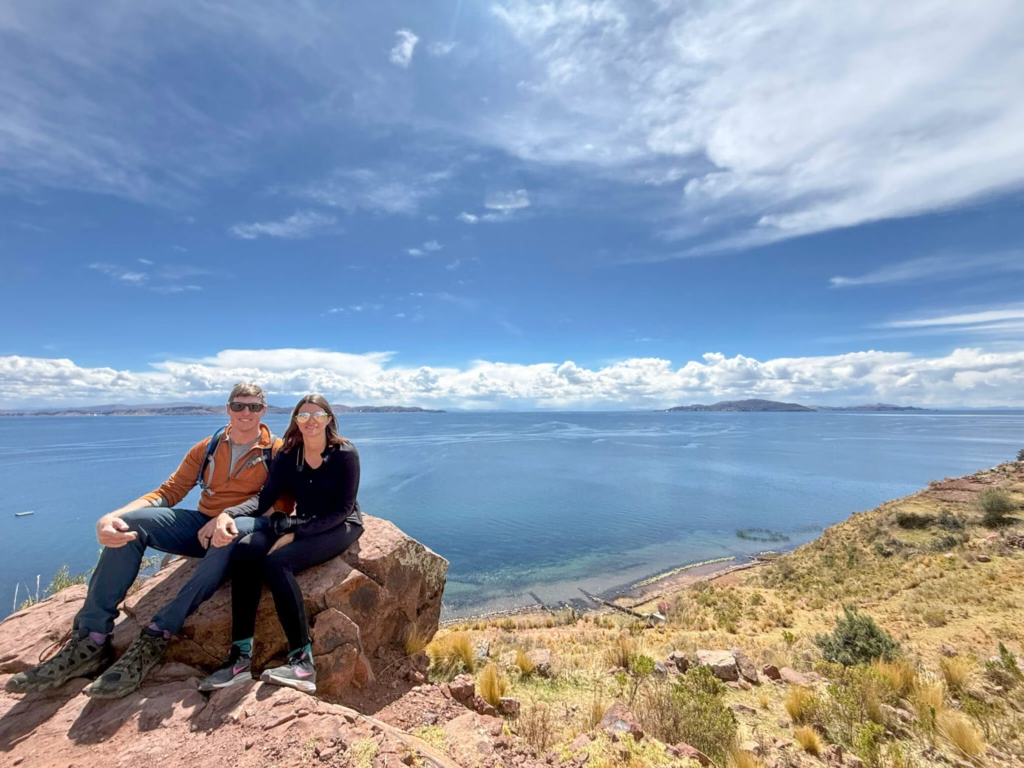
Next, you do a bit of hiking on the island before sitting down to lunch. There are several restaurants on the island that cater to the tour boats. However, you don’t get to choose. The tour boats all have a single restaurant that a single boat takes their passengers to. This way they can make sure the food is ready when the passengers arrive. It’s a good system. Expect local food like fish as part of your multi-course sit down lunch.
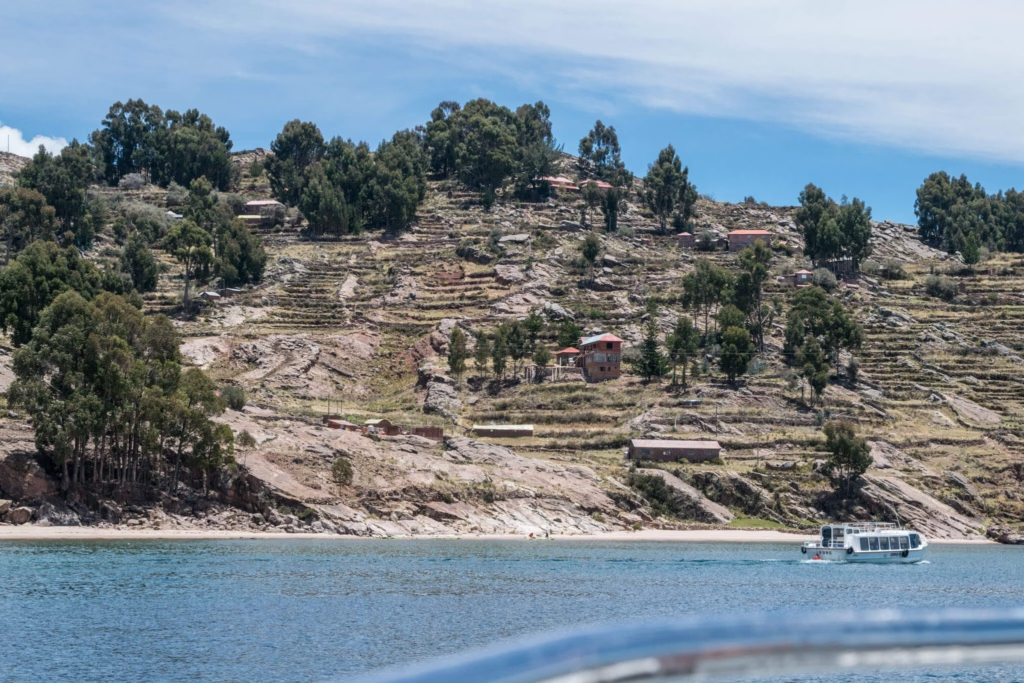
In our opinion, Taquile Island is the best part of this tour. We came for Uros Islands and we’d recommend it to others for Taquile Island. Taquile Island is a surprisingly cool destination. We were also pleasantly surprised by the price and quality of souvenirs – we totally stocked up on hats and scarves here. Also, we loved the pleasant and interactive attitudes of the locals. We don’t speak good Spanish and they all were so kind and generous in trying to speak to us.
After wrapping things up on Taquile Island, you head back to Puno. Some tours may stop at an extra island port to drop off overnight passengers for the two-day tour before making your way back to Puno.
2 Day Lake Titicaca Tour
If you choose to do a two-day Lake Titicaca tour. You’ll do the one-day Lake Titicaca tour with a larger group as describe above. At the end of that day, you’ll be dropped off on Amantani Island for an overnight stay. A guide will greet you at the dock where any tourists will be spread out in local homes for the night.
Evening
You start doing some scenic hiking of the island before having dinner in your house with your host family. Hosts families speak mostly Spanish – this may not be a good option for people with limited Spanish skills. Diners here are rustic and made entirely from ingredients grown on the terraced farms such as veggies, potatoes, corn and quinoa.
After dinner, you’ll head into a central area with your hosts for dancing, music and beer drinking. It’s quite the party! Your hosts will likely ask you to dress in their traditional garb that they’ll lend you. It’s a bit silly feeling but quite fun!
You’ll sleep in guest rooms that are nice. However, there isn’t running water. So be prepared to use outhouses – including in the middle of the very cold nights.
Day 2 – Return journey
The next day, you’ll explore more of the island, maybe play a game or two with the locals before being picked up and heading back to Puno.
What To Pack For Puno?
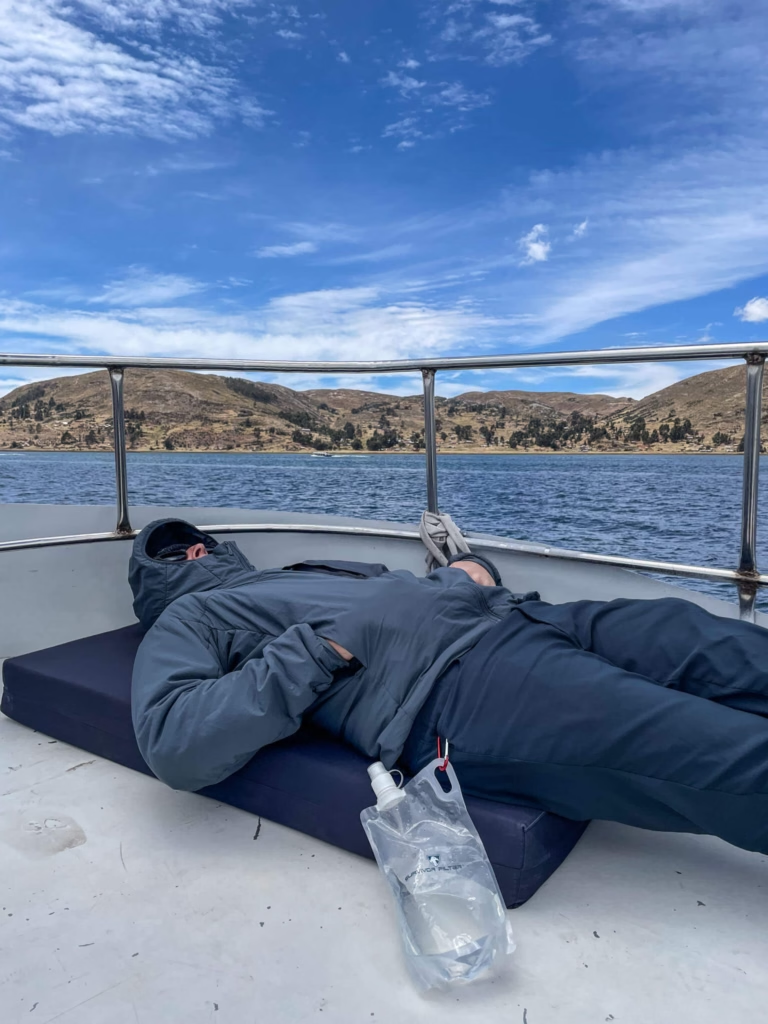
Puno is cold! It is the largest/highest elevation lake in South America after all. So you have the cool temperatures from the elevation mixed with the cool lake breezes. Come prepared with warm layers. We wore a thermal layer under our clothes in addition to our coats, hats, gloves and wool socks.
In addition to your cool weather clothes, make sure to have plenty of bottled water with you – the tap water is likely not safe for foreigners to drink. We personally bought water and dumped it in our large hydration pack for ease of carrying. Being at the high altitude means you’ll need to stay really hydrated to stave off the effects of altitude sickness.
If you plan on taking a boat ride on Lake Titicaca, pack some motion sickness medicine as the waves can get big. Or you can do what we did and stay up on the top deck of the boat in the cold wind.
Is Puno Worth A Visit?
Honestly, we’re gonna say no. This would have been a really cool stop on a road trip. However, it was so out of the way of other destinations we visited in Peru that it wasn’t worth all the travel time to get here. We spent about as much time traveling to and from Puno as we did exploring the Puno area.
Additionally, Puno didn’t have much to do. We spent more time at our hotel relaxing (not necessarily a bad thing) in Puno than we did in other destinations because we felt like we did all the stuff we could even in our short amount of time there.
We hope this has helped you to plan your trip to Puno, whether you’ve chosen to go or not. While Puno was not one of our favorite places to visit in Peru, it was a way to step into beautifully preserved Peruvian cultures who have survived for generations. If you’d like more information on visiting Peru, including how we fit this into our Peru itinerary, check out our Peru posts here.