An Awesome 3 Day Sacred Valley Itinerary In Peru

Please share:

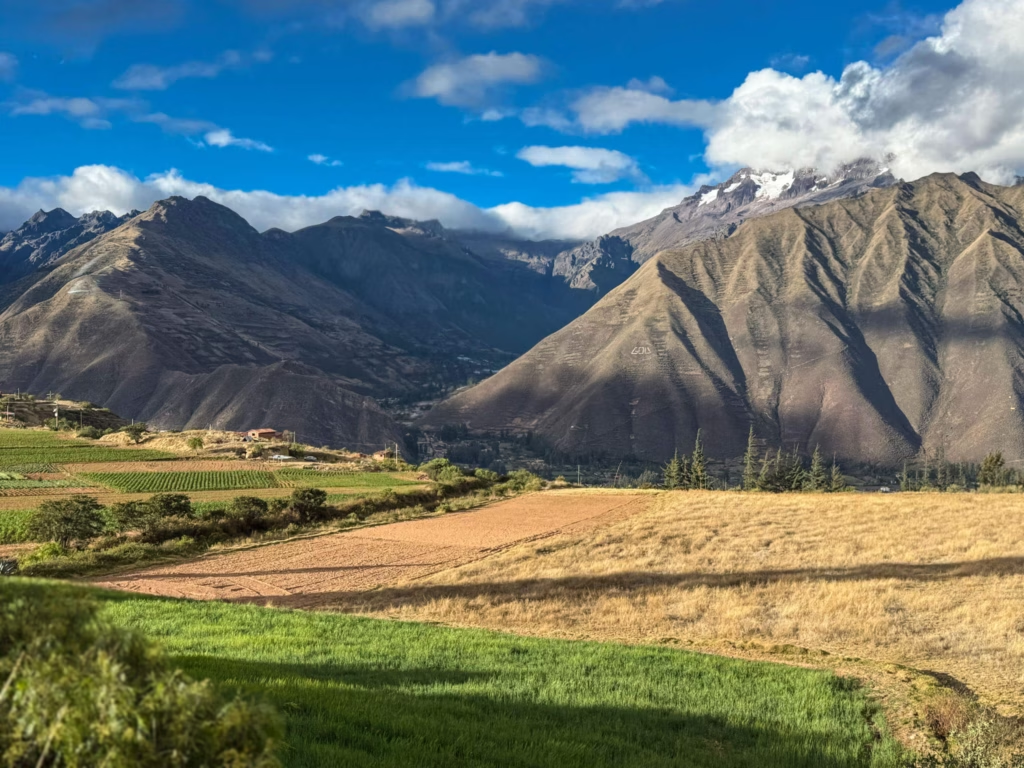
Machu Picchu brings loads of tourists to Peru and the Cusco region. However, in between Cusco and Machu Picchu, there is so much to explore in the Sacred Valley of the Incas. The Urubamba River valley, nestled between the stunning Andes Mountain range, is home to Inca ruins, colonial Spanish architecture, small farms and local craftspeople. You could easily spend a week exploring the Sacred Valley and Cusco. However, what if you don’t have that much time? Keep reading for a full 3 day Sacred Valley itinerary with optional additional days.

Cusco

Sacred Valley Itinerary

Day 1: Arrival in Cusco

Arrive in Cusco from Lima around mid-afternoon. Most flights leave early in the day and arrive mid-day to late afternoon. Since Cusco is the highest elevation of this Sacred Valley itinerary, you want to go to the Urubamba River Valley, or the Sacred Valley, first because it is at a lower elevation. So this Sacred Valley itinerary starts there.

A note on elevation sickness:

Folks who are not used to living at high elevations (a mile or more above sea level), you should plan on doing something to prevent altitude sickness from setting in. There are three ways to treat altitude sickness. First, you can take medication. In the United States, medication generally requires a prescription. However, in Peru you can pick up over the counter altitude medication at pharmacies. Second, you can use coca products. These are the leaves that make cocaine but without any cocaine properties. You chew on leaves, gum or candies. They help reduce symptoms. The final thing you can do is to take time to acclimatize. That is why you start at a lower altitude in the Sacred Valley and work your way to the highest altitude in Cusco in this Sacred Valley itinerary.

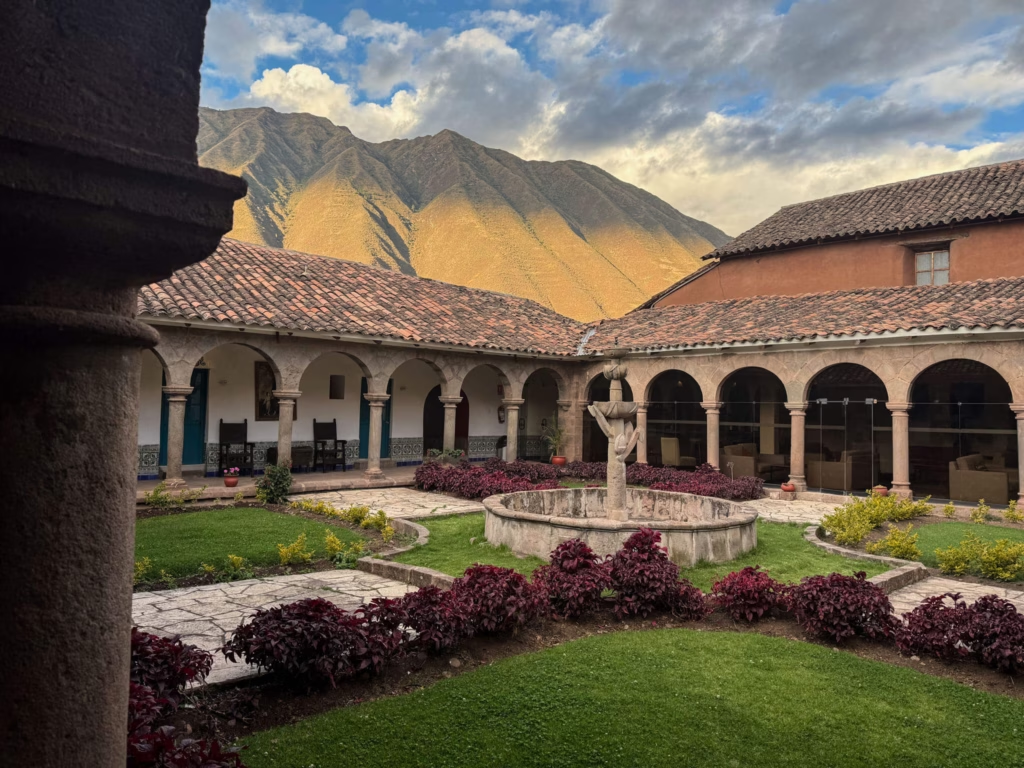
monastery in Sacred valley

You can take a private shuttle or a taxi from the Cusco airport to the Sacred Valley. If you ask your driver, they’ll stop at viewpoints along the way which will allow you to take photos. It was a good way to breathe through the car sickness on the journey. There are buses if you want to take one of those instead. However, they take a lot longer and the roads are really curvy. It’s not a trip I would want to take on a packed, hot bus.

You arrive in the Sacred Valley in the late afternoon to early evening. We had originally wanted to do something in the afternoon as there were plenty of daylight hours left when we arrived. However, we were so exhausted from early morning flights and the elevation, we were in bed before dark. If you plan anything for your first day at altitude, make sure it is gentle on your body.

Hotel San Agustin

Where to Stay?

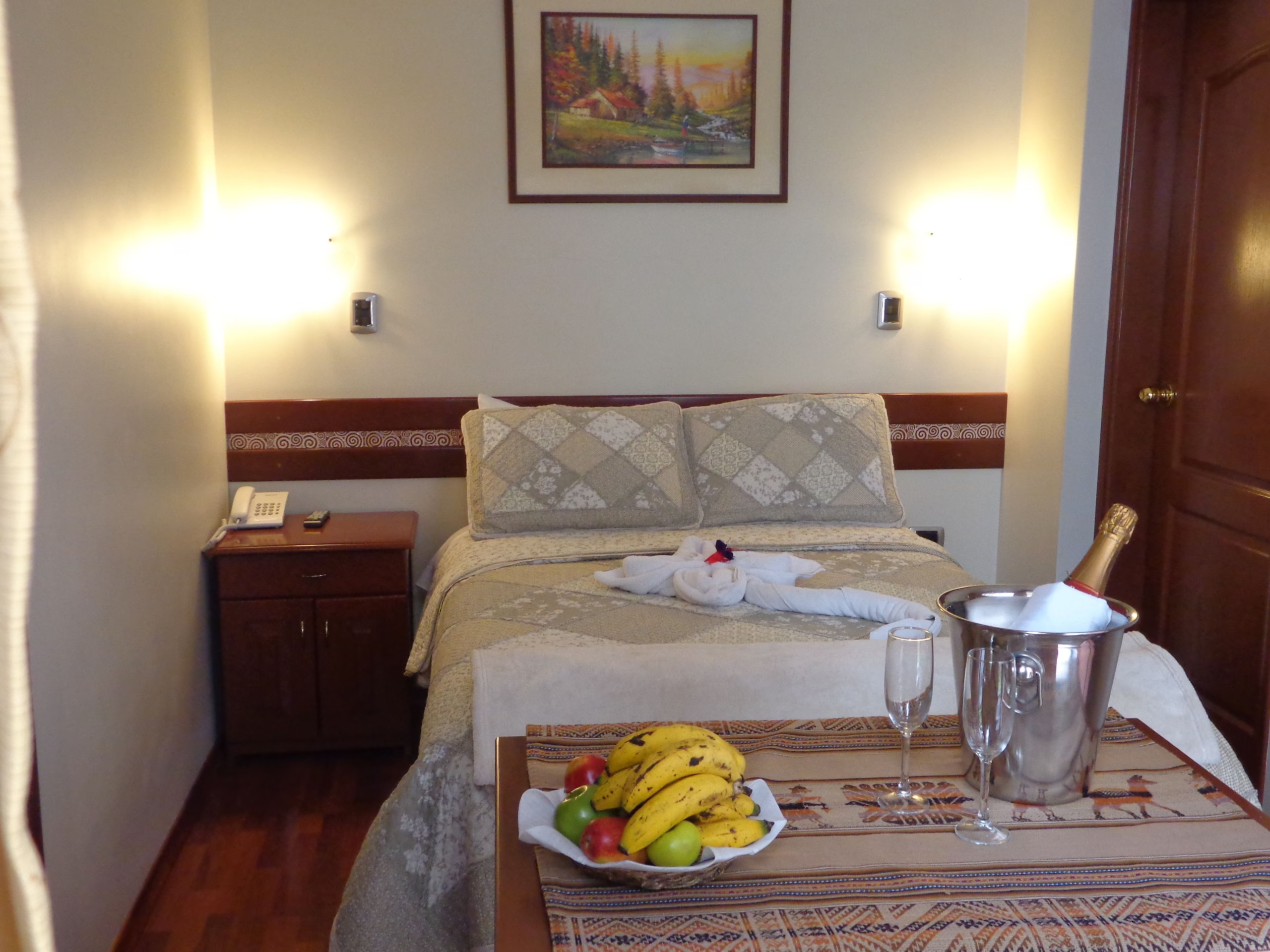
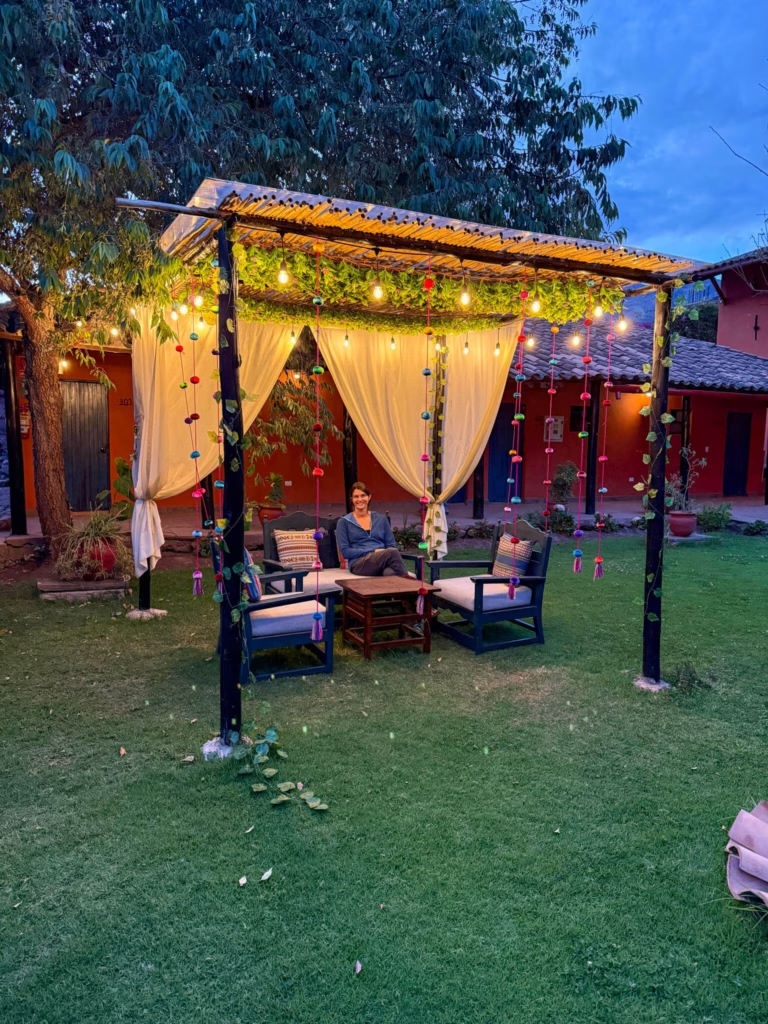
Stay overnight in the Sacred Valley. We think Urubamba is the best place to stay. Ollantaytambo is super cute and lively but it’s also packed with Machu Picchu travelers and the prices are much higher because of its proximity to the train station. We stayed at the San Agustin Monastery hotel. It was the best hotel we stayed at in all of Peru. The old monastery was converted to a hotel and the charm of the setting surrounded by the mountains was a great setting for our adventures. It also was in walking distance of a town that felt very local. We had dinner at our hotel because we were so tired, where we ate alpaca for the first time!

Hotel California Urubamba

Hotel California Urubamba

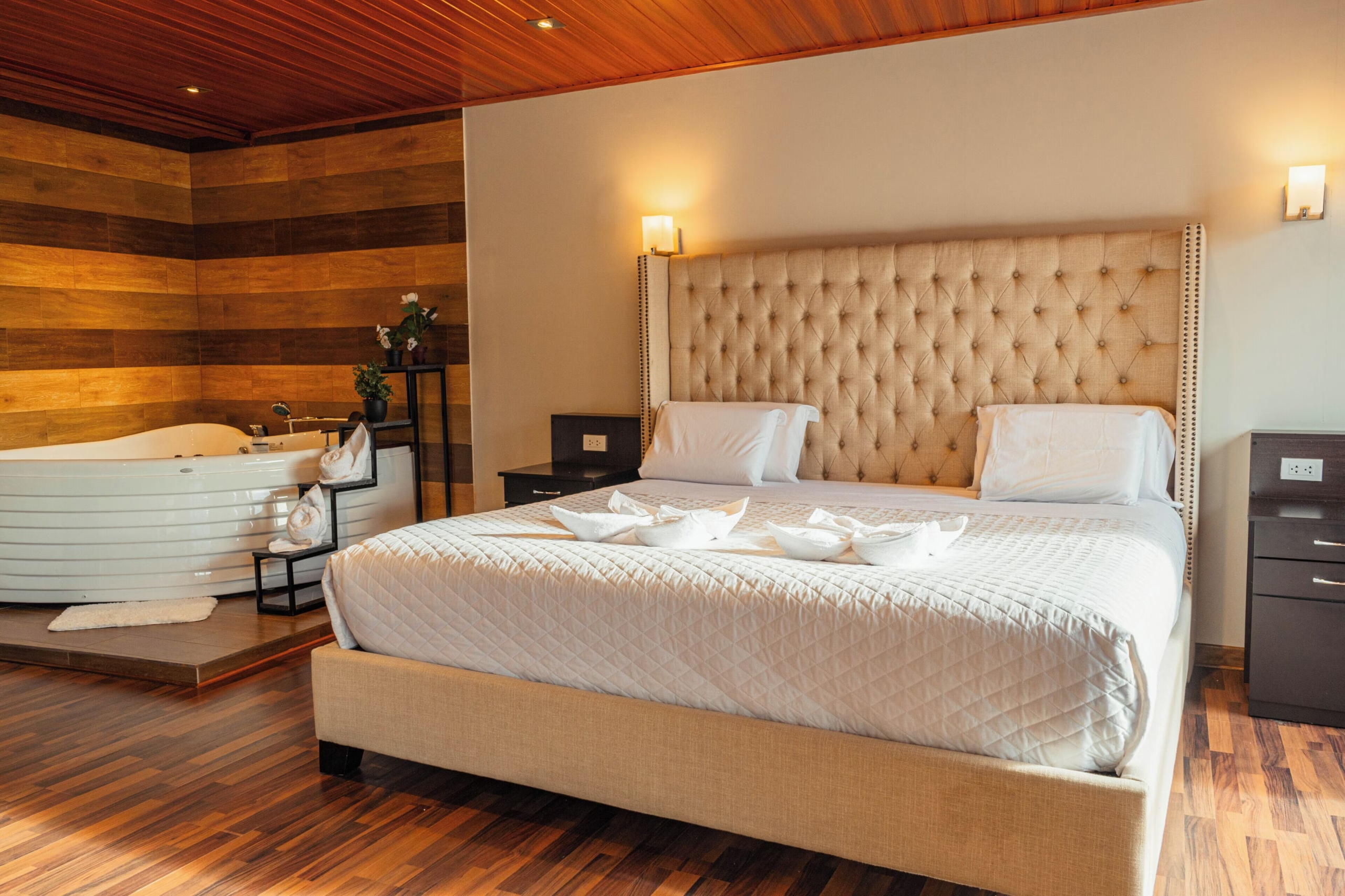
This budget hotel is perfectly situated in town, making it walkable to shops and restaurants. Also, for the price it is beautifully updated and includes breakfast! A great value.
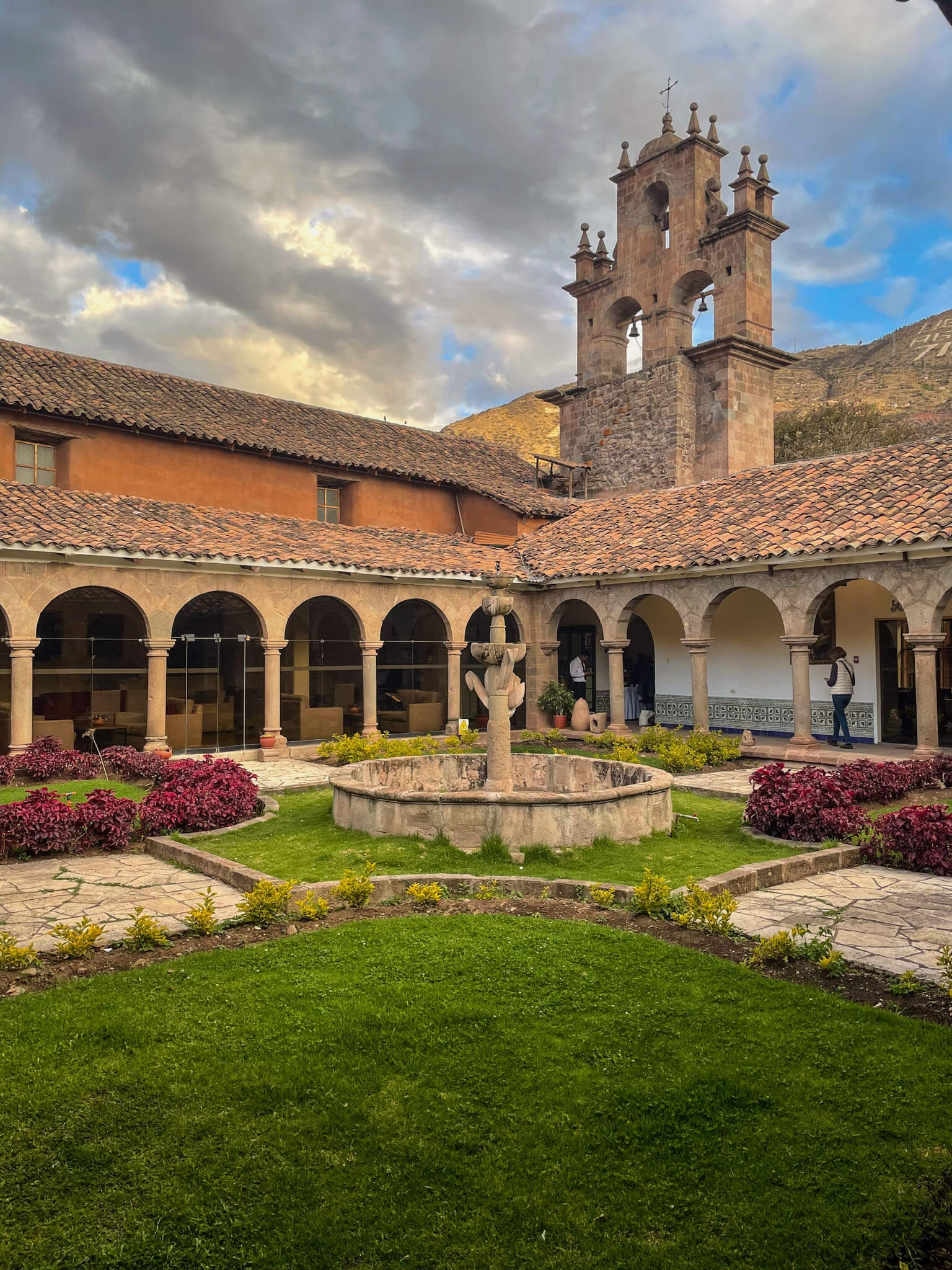
Hotel San Augustin

Hotel San Augustin Monasterio

This amazing hotel is a converted monastery connected to an operating church. The views, rooms, outdoor spaces and restaurant are all amazing!
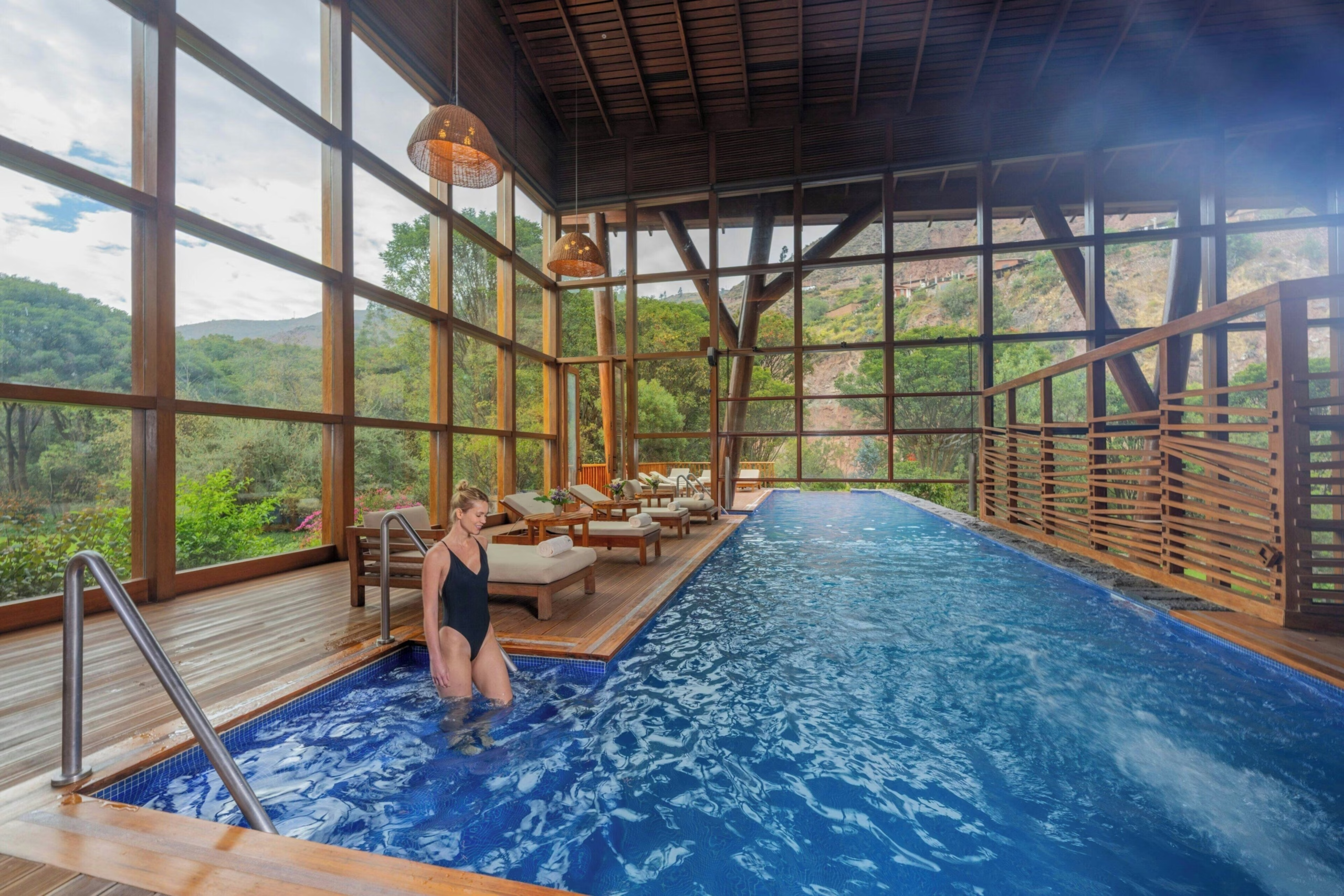
Tambo del Inka

Tambo del Inka

A more all inclusive experience in the Sacred Valley, this luxury resort is a treat yo'self place to stay complete with a spa to relax in after your days hiking.
Machu Picchu

Day 2: Machu Picchu

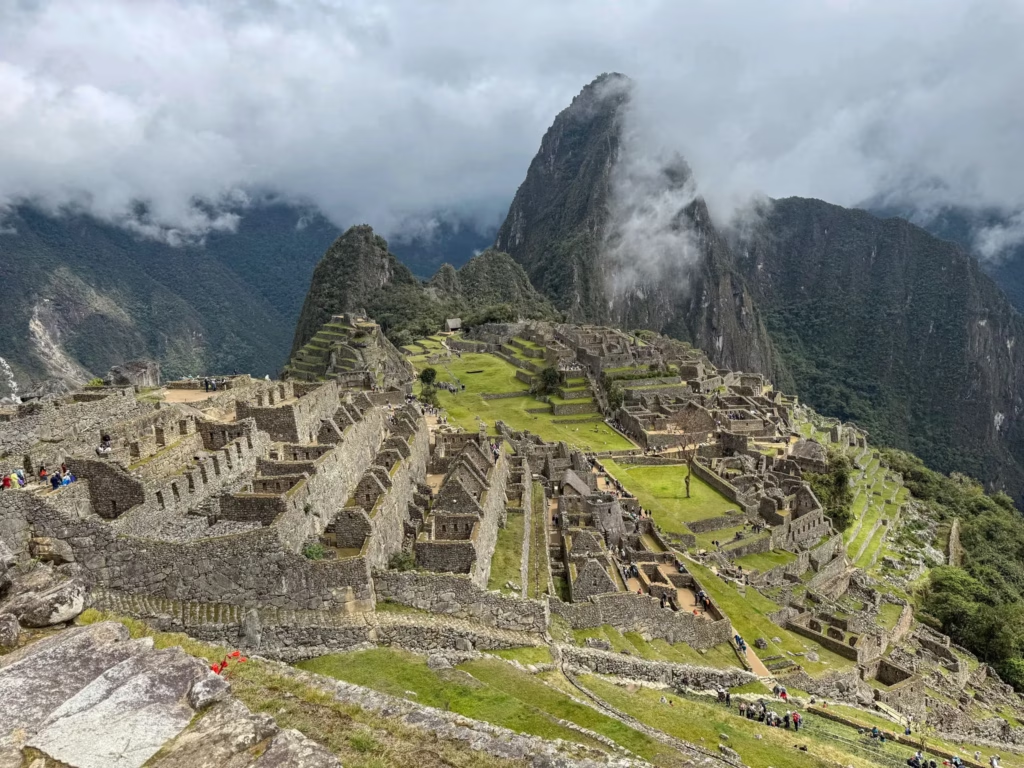
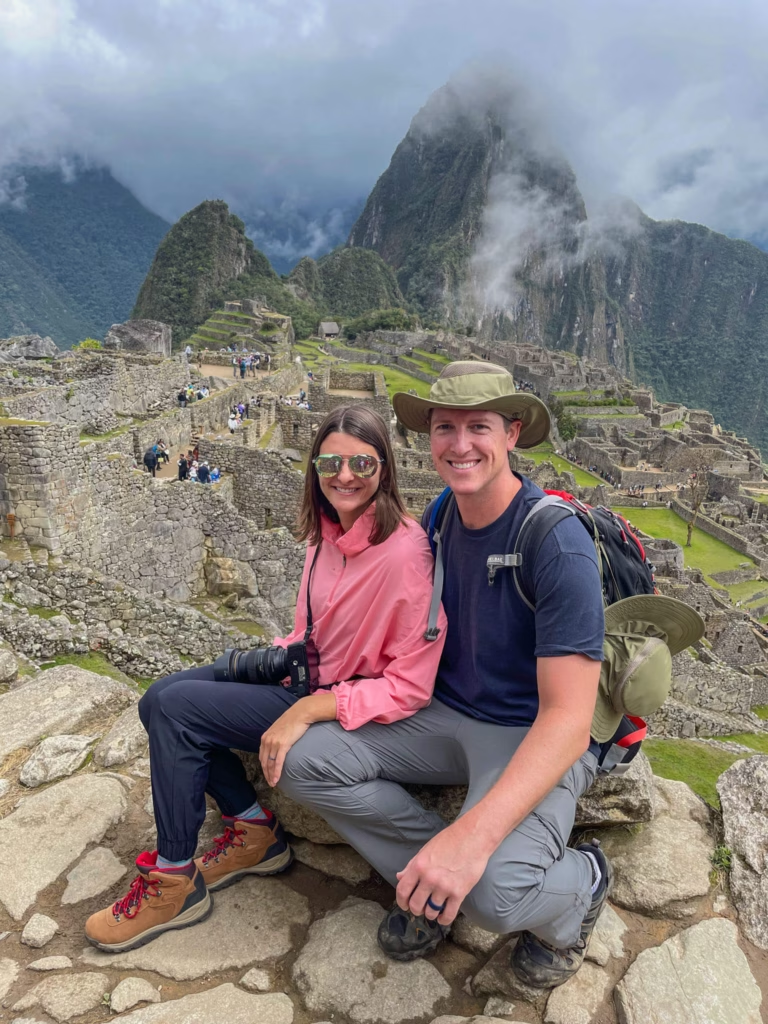
For the first big day in the Sacred Valley, explore Machu Picchu. Take the first train of the morning and then a bus from Ollantaytambo to Machu Picchu.

Another note on elevation sickness:

Some people will recommend doing Machu Picchu later in your trip so your body has more time to acclimatize to the altitude. However, our Machu Picchu guide told us that it is helpful to do something strenuous to start with so your body gets used to the altitude and breathing thinner air right away. I don’t know if that is in any way medically sound advice or if he was trying to make us feel better but it worked for us. It also could have worked just as well to visit Machu Picchu last. 

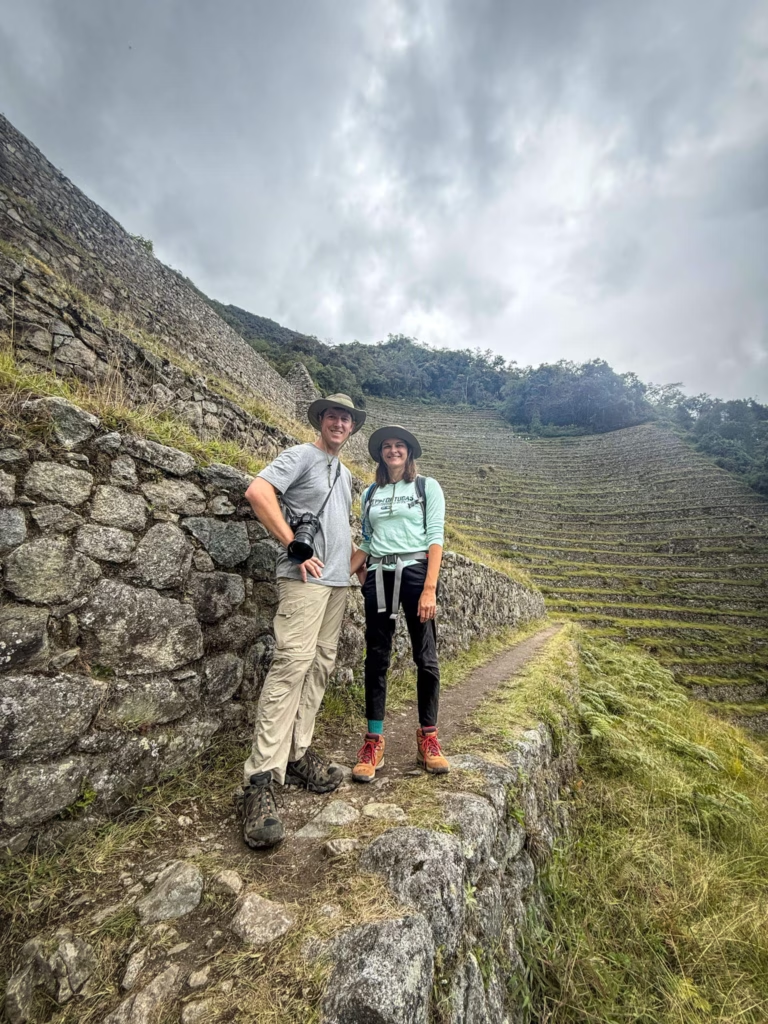
Wiñay Wayna

If you have extra time, consider spending an extra day either hiking to Machu Picchu or staying overnight to explore a different circuit the following day.

Machu Picchu

Most people spend around 4 hours on their chosen Machu Picchu route (click the above link for help deciding which circuit to choose). Then, head down the mountain to Aguas Calientes, the city at the base of the mountain that Machu Picchu sits on. Eat lunch and explore a little here.

Souvenir Tip:

People say the markets of Pisac are the best place to get your Peruvian souvenirs. However, Aguas Calientes definitely has the cheapest souvenirs we found, though a majority of the “alpaca wool” is not even close to being 100% alpaca. 

Sacred Valley

Where to Stay?

Take the train back to your Sacred Valley accommodations. If you’re not staying in Ollantaytambo, make sure to stick around for a few hours to explore Ollantaytambo. The city is literally built on top of an Inca city – you can still see the bricks of original structures at the bases of modern buildings. There is plenty to do in this tourist town. If you have even more time, consider visiting the ruins of Ollantaytambo just outside of the city.

Stay overnight in the Sacred Valley at the same hotel as your first night.

Sacred Valley farms

Day 3: Sacred Valley And Cusco Tour

Morning – Sacred Valley

For the final day of your Sacred Valley itinerary, you get to explore some of the other popular sites in the area. You can do a tour two ways. You can hire an actual tour guide with a vehicle. Tour guides will go in to sites with you and give you an explanation of the significance of the sites you’re visiting. We would recommend this as the sites in the area don’t have a great self-tour infrastructure such as signs and written guides. Additionally, you can hire a taxi for the day. You can pay a taxi driver for the day to take you around to different sites and wait for you while you’re inside. This can be cheaper but isn’t always the cheapest option so shop around. 

Salt Mines of Maras

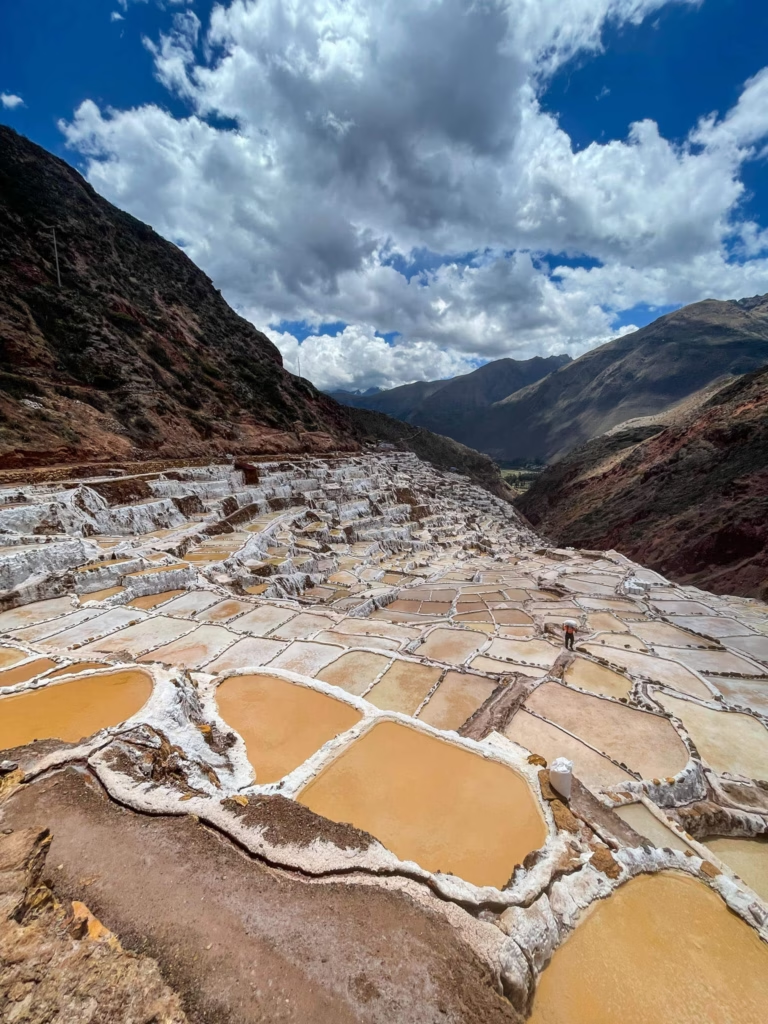
Our first stop on our Sacred Valley tour was the Salt Mines of Maras. These amazing terraced salt mines were discovered and tended by the Incas and have been hand tended by locals ever since. Today, the mine is operated by a cooperative of families, each having their own salt ponds that they harvest manually and sell in cooperative stores in the area. 

Souvenir Tip:

 If you would like to bring some salt home, buy the fine ground kind. We bought a bunch of course salt, the kind for a salt grinder. We flew into Houston and it was all confiscated. The few bags of fine salt we bought, we were allowed to keep. I don’t know if this has happened to other people but the TSA agent that took them from us said it was because the crystals were too big to fit in their drug testing machine.

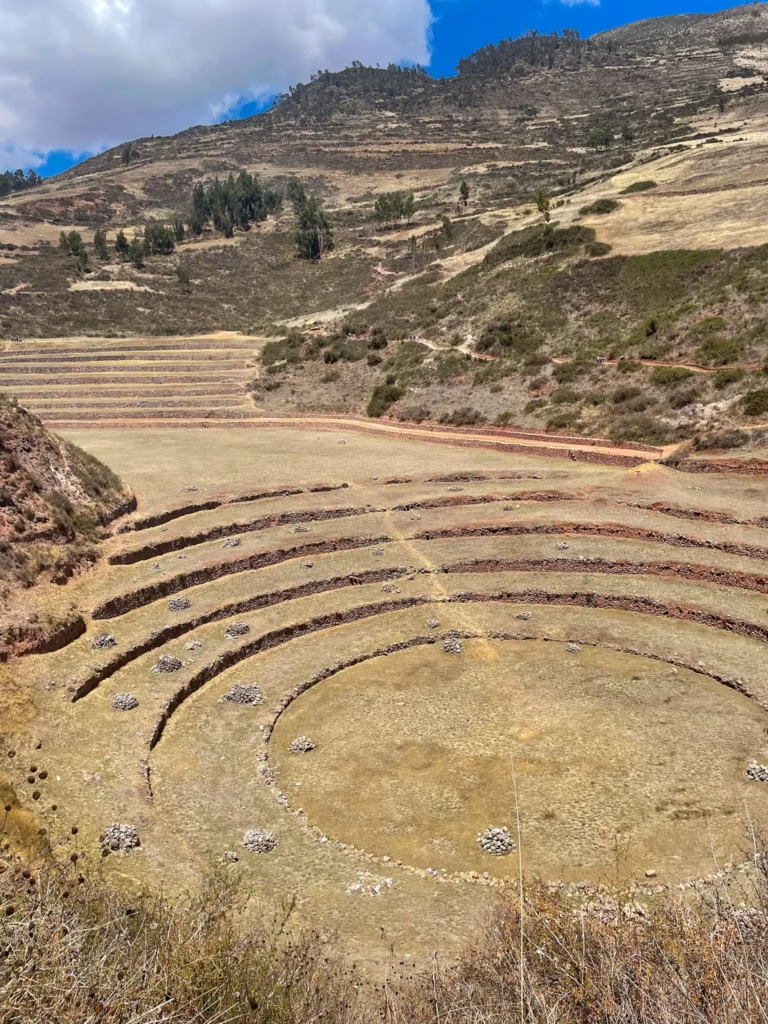
Moray terraces

Next, we stopped at the Moray terraces. It is believed that these terraces were used to experimentally test crops for the Inca peoples. The ringed terraces contains tons of different microclimates so the Inca could see what the best conditions were to grow their crops and breed crops to grow in other climates. OG genetic engineering at its finest!

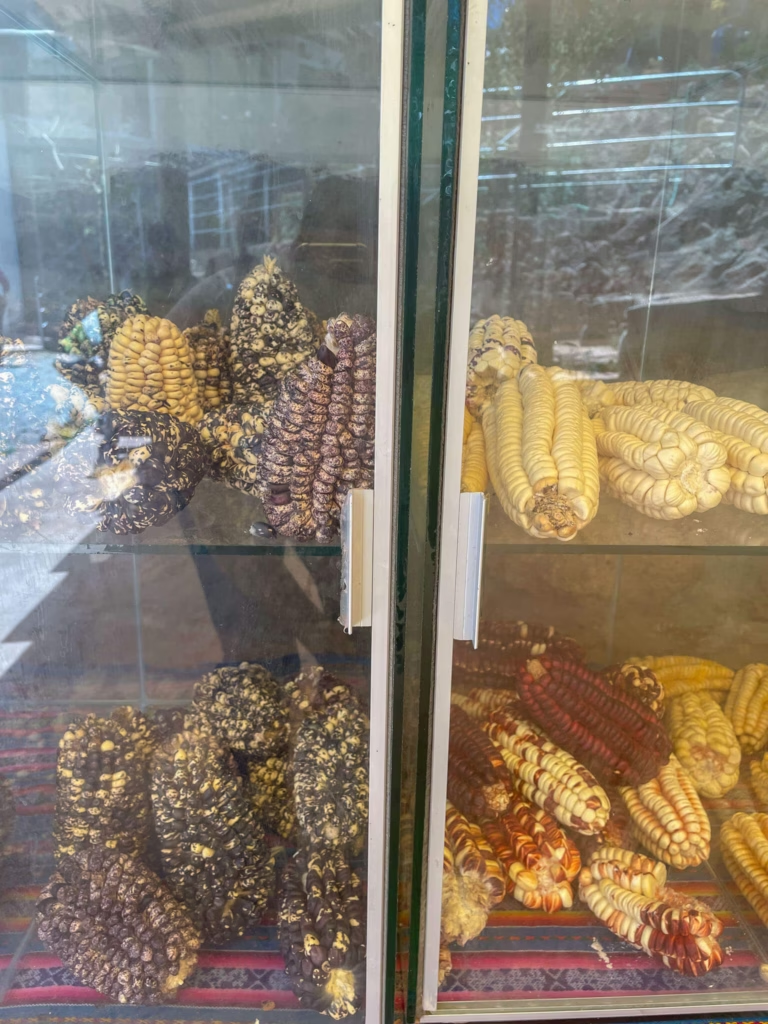
Peruvian corn
Peruvian corn

Next, we stopped at a small town to grab a roadside corn beer, crafted with one of the many corn species that Peruvians grow. 

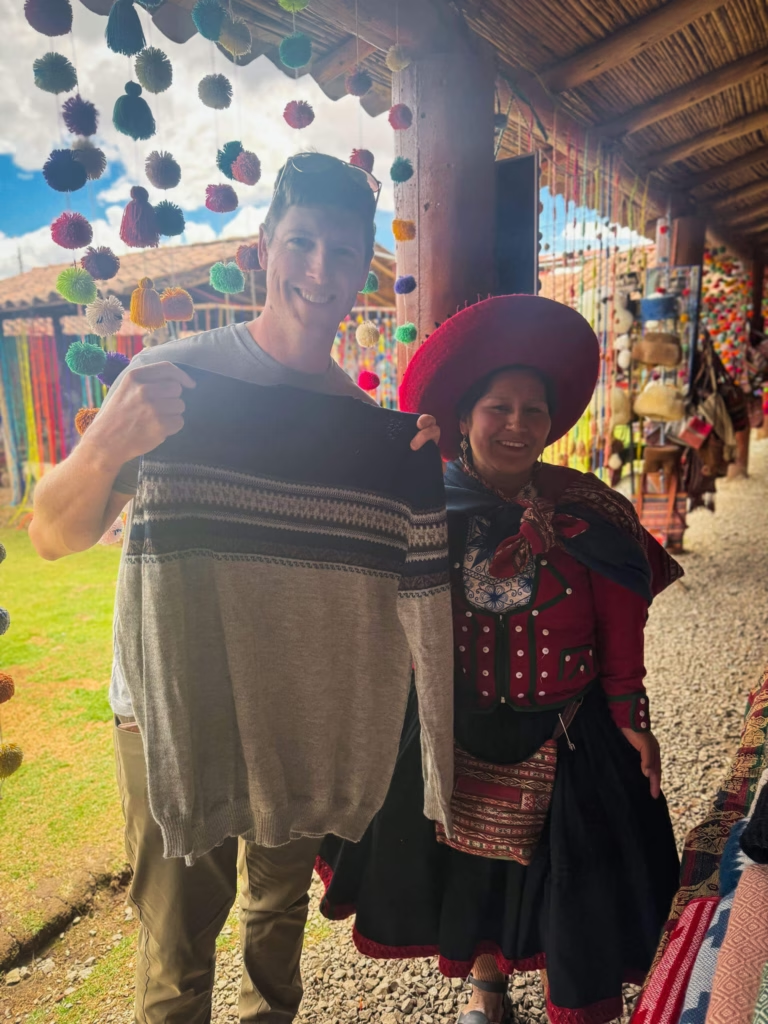
Scott with his sweater and the woman who made it

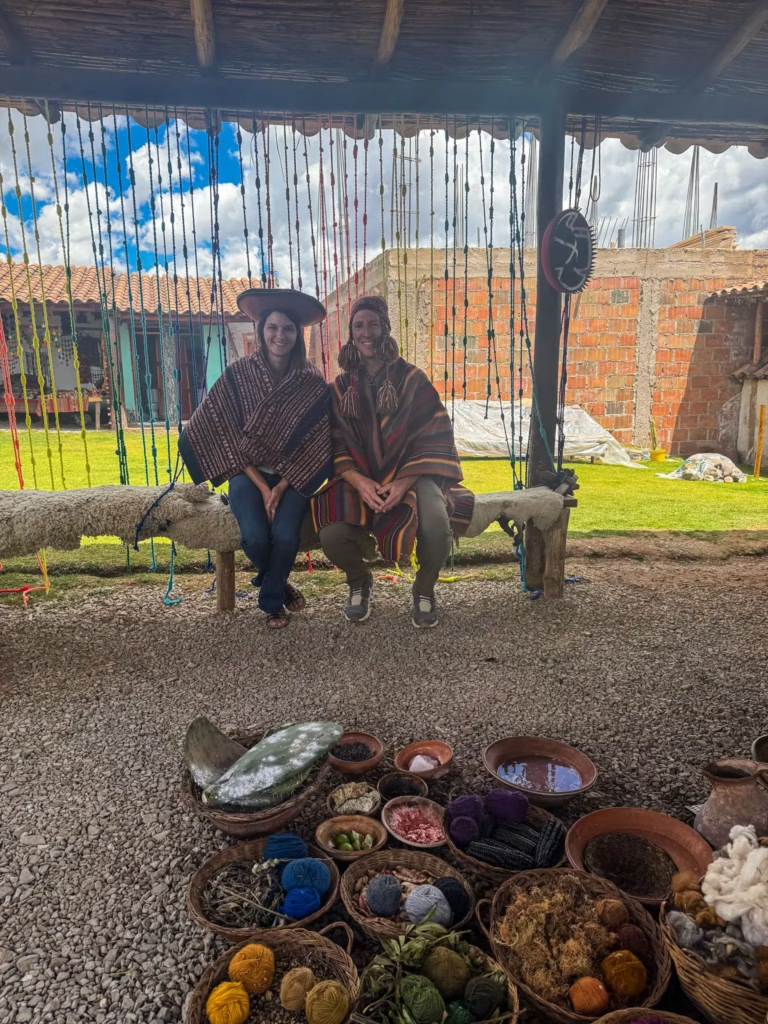
Lastly, we stopped at a local knitting cooperative. Two of the women who contribute to the textiles gave us a short demonstration on how to make and dye the yarn. They also made me lip dye out of bug guts – and yes I wore it! The demonstration was free but you are expected to buy a sweater. We both bought beautiful handmade real alpaca sweaters and took photos with the women who made them. Definitely a splurge souvenir!

Cucso

Next, we drove back to Cusco for a fried chicken dinner that was one of the best meals we had in Peru!

Now time to explore Cusco!

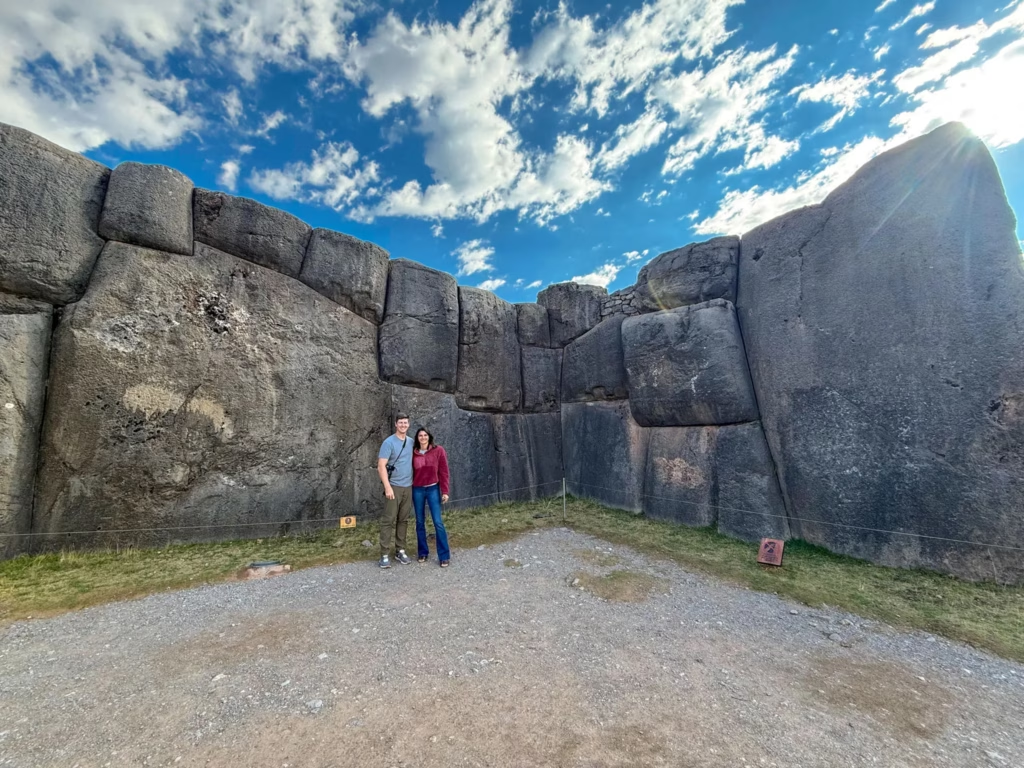
Sacsayhuaman
Sacsayhuaman

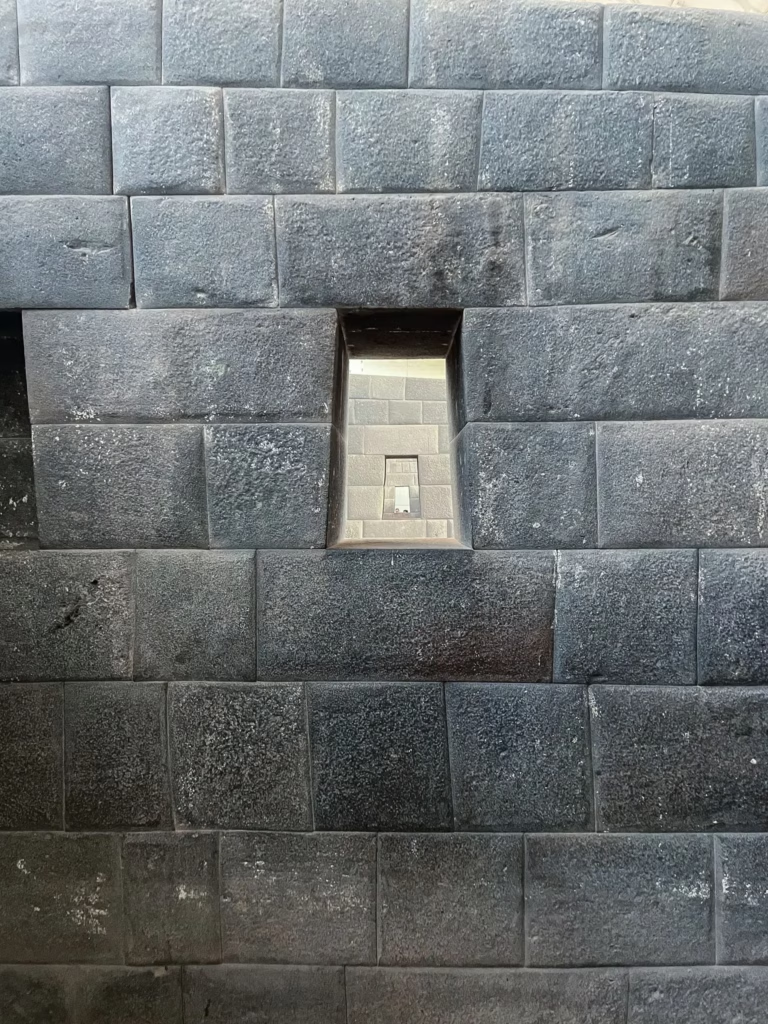
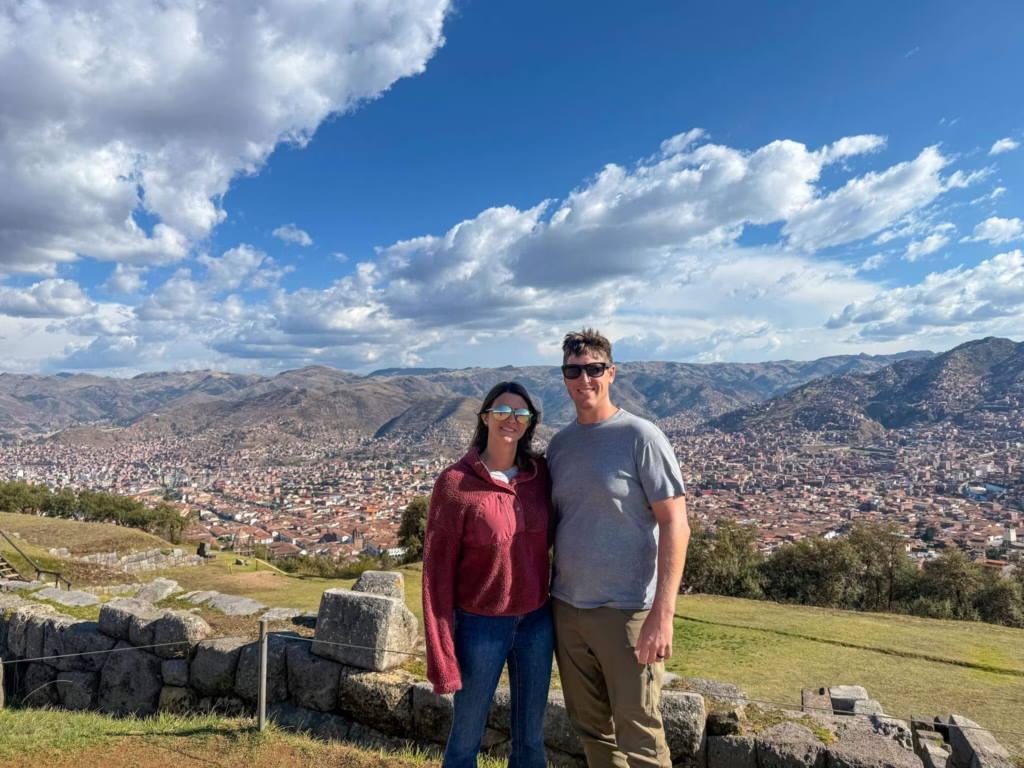
Our favorite stop was the Sacsayhuaman ruins. Machu Picchu was a small Incan town. Cusco was previously a very large Incan town. The Spanish saw the town as a threat and basically raised it to the ground. Sacsayhuaman is what is left of a once sprawling Incan city. And it is sooo cool! Like definitely cooler than Machu Picchu if Machu Picchu wasn’t nestled in between a million beautiful mountain peaks and better preserved.  The most impressive part about this site is the size of the rocks used to make the structures and the craftsmanship it must have taken to get all of the large rocks to fit together perfectly. 

If you still have time to explore more Inca ruins, check out Puka Pukara and Tambomachay, an Incan royal retreat and military guardhouse.

Cusco historic district

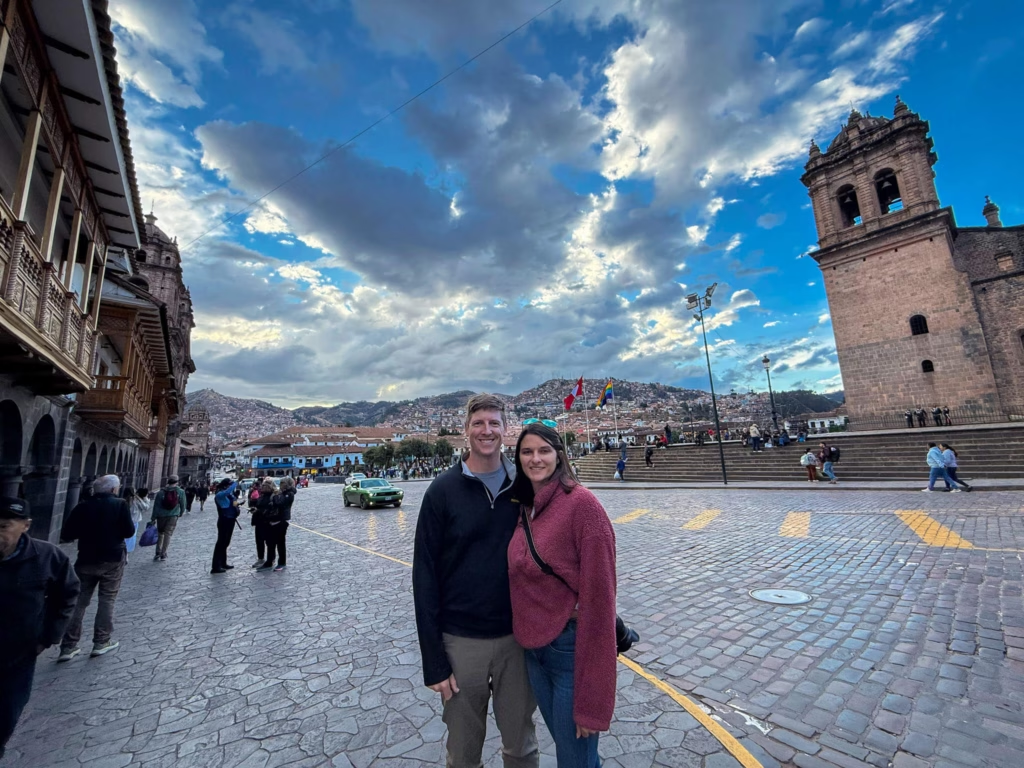
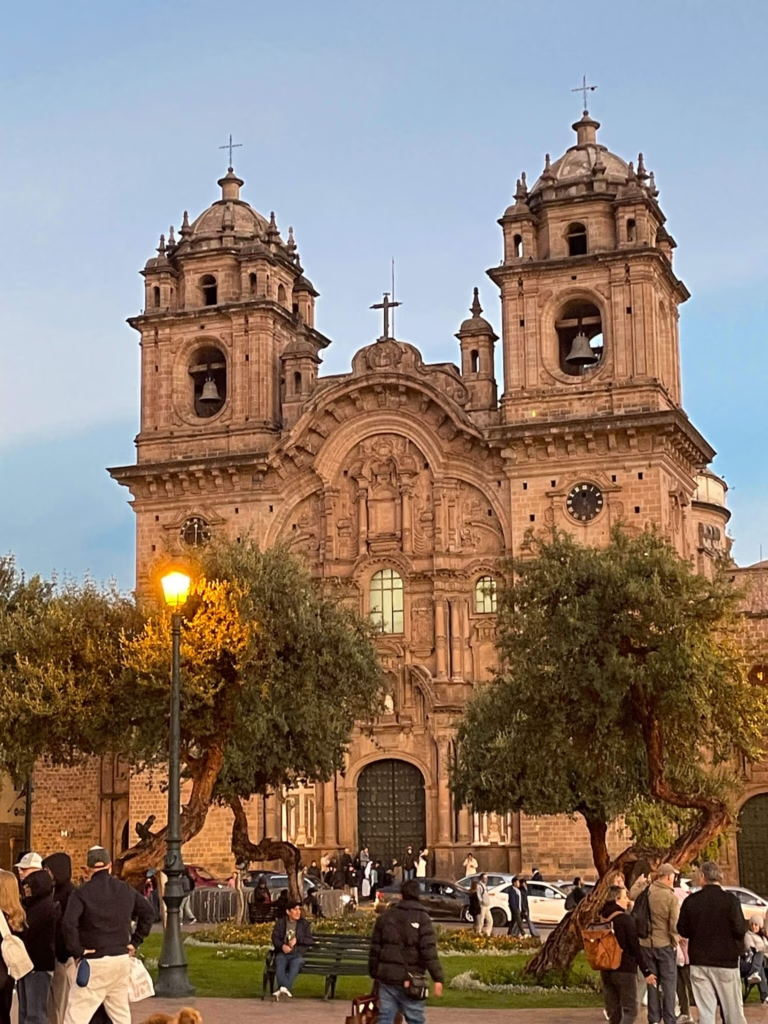
End your day at the main square in Cusco where you can see some of the most iconic sights of Cusco. 

Cusco Cathedral

Visit the Cusco Cathedral for examples of the Spanish architecture. 

Incan temple under church

Next, visit Qorikancha for an example of a church that was built on top of an Incan temple. In fact, most churches in Cusco are built on Incan temples but this one preserved a lot of the original temple so it’s a really cool example of colonial and Inca architecture mixing. 

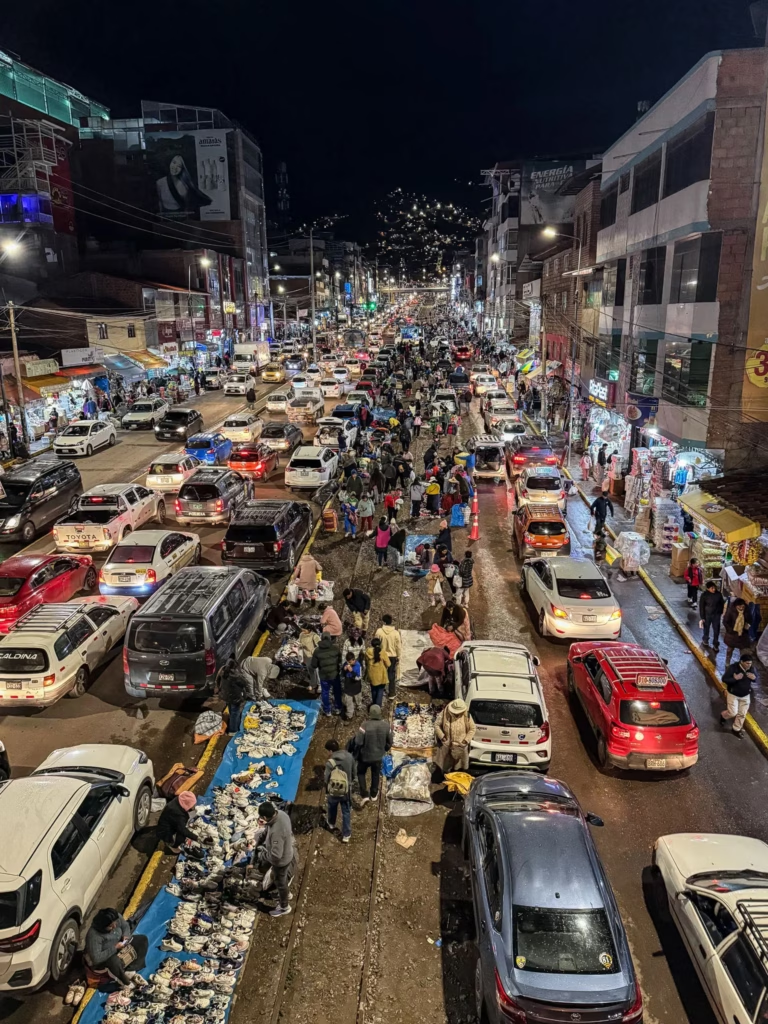
Cusco night market
Bonus Tip:

If you’re looking for something fun to do in Cusco at night, visit the night markets. We’re uncertain what exactly the night market we stumbled upon was. We were walking a few blocks from the main tourist areas and all the sudden people started bringing blankets filled with goods and dropping them on the sidewalk and in the median of the road. Their blankets unfolded and all of the sudden Nikes, wool hats, fruit, soap, friend chicken, bras, hair extensions and more were being sold on the street. It was a very strange experience in the best way! 

Where to Stay?

Stay overnight in Cusco. You want to stay somewhere in walking distance of the main square. While this is the touristy area, it’s also the safest area in the town. 

Antawasi Cusco

Antawasi Cusco

It's kinda amazing how cheap this hotel is for the location. Located near lots of shopping this hotel includes breakfast for a great price.
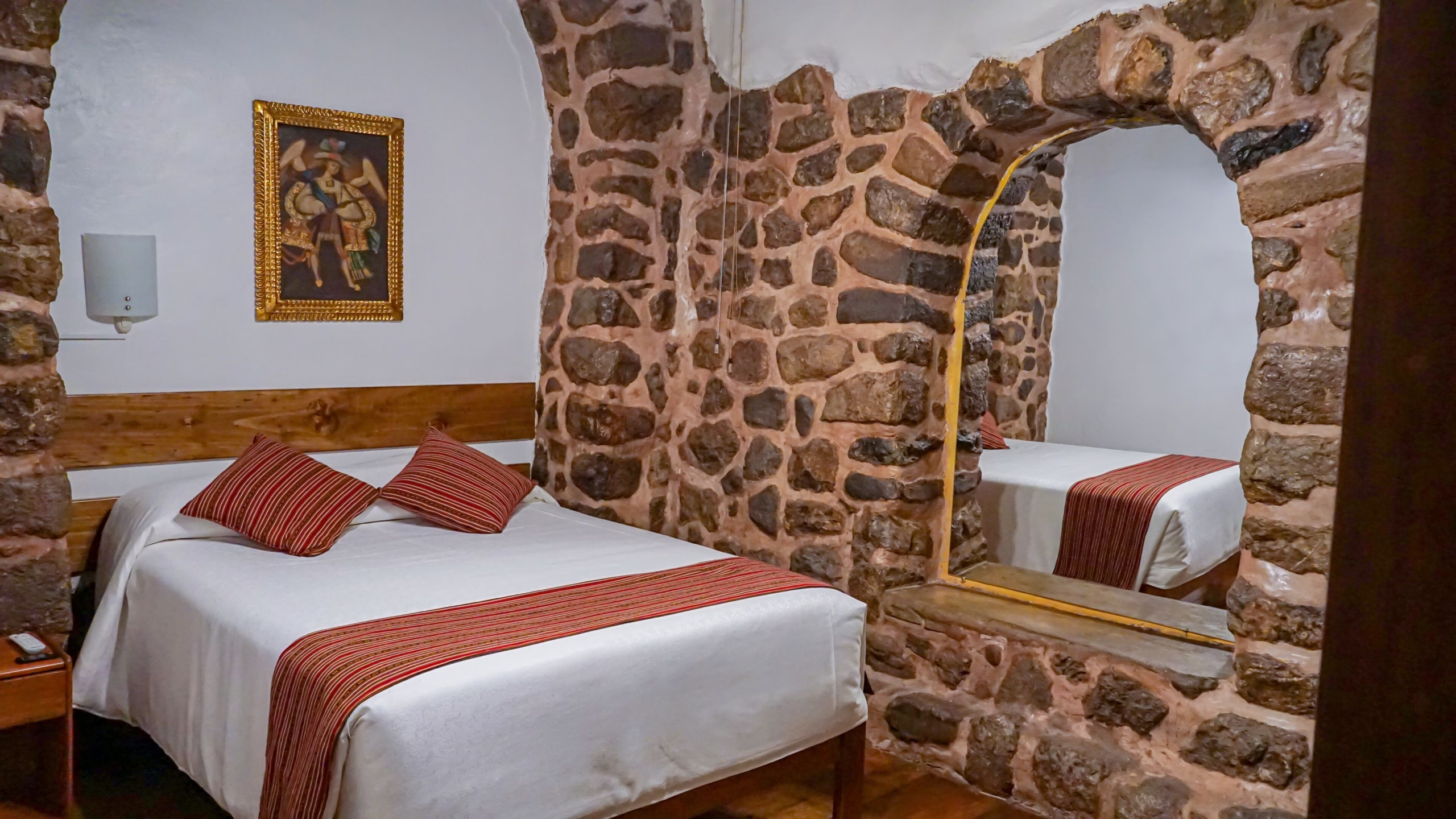
La Casona

La Casona Real

This hotel is in a great location near central Cusco. The hotel's design is charming and gives you a sense of being surrounded by history.
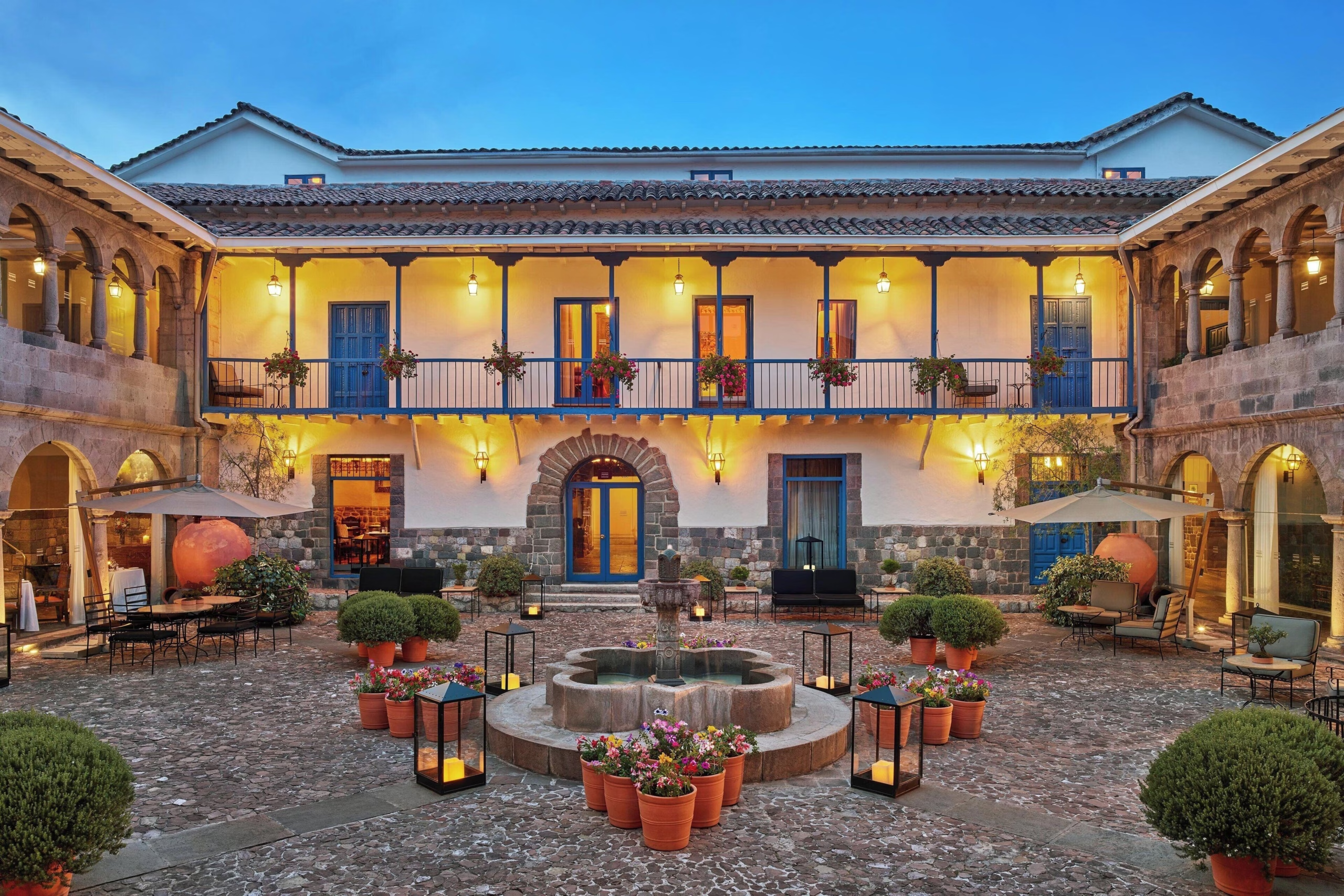
Palacio del Inka

Palacio del Inka

This luxury hotel includes more historical amenities like nightly shows in the courtyard.
Alpaca knitting cooperative

Want To Adjust This Sacred Valley Itinerary?

If you have one extra day, the first thing we would recommend is adding an extra day to visit Machu Picchu or do some hiking to Machu Picchu, instead of taking the train. Check out some different options in the links below.

If you have two extra days, use the second extra day to separate out your Sacred Valley tour and your Cusco tour. You could easily do a full day tour of the Sacred Valley by adding a visit to Pisac. Then you could spend full day touring Cusco – the pace in the itinerary above was really fast.

We hope this Sacred Valley itinerary has helped you to plan your perfect visit to this iconic Peruvian destination. We had such an amazing time is this area of Peru. It was exactly the version of Peru we were imagining! However, there is a huge variety in Peru and if you’re interested in visiting other areas in Peru, check out all of our Peru travel guides here.


Please share:

Leave a Reply